Feldman at 100: Triadic Memories
Amy Williams, piano
Thursday, January 8, 2026 at 7:30 pm
Littlefield Concert Hall, Mills College at Northeastern University, Oakland
Amy Williams, piano
Thursday, January 8, 2026 at 7:30 pm
Littlefield Concert Hall, Mills College at Northeastern University, Oakland
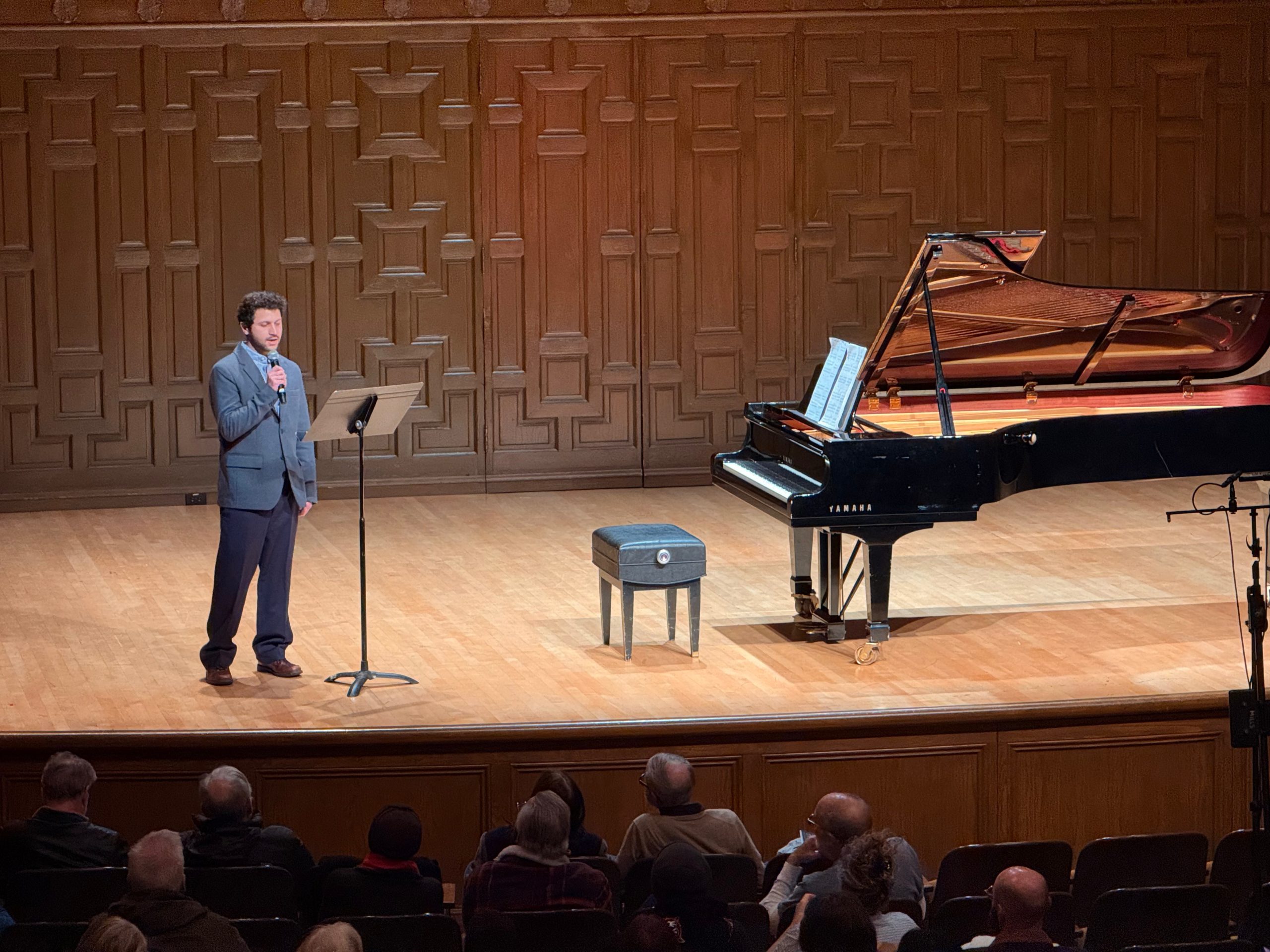
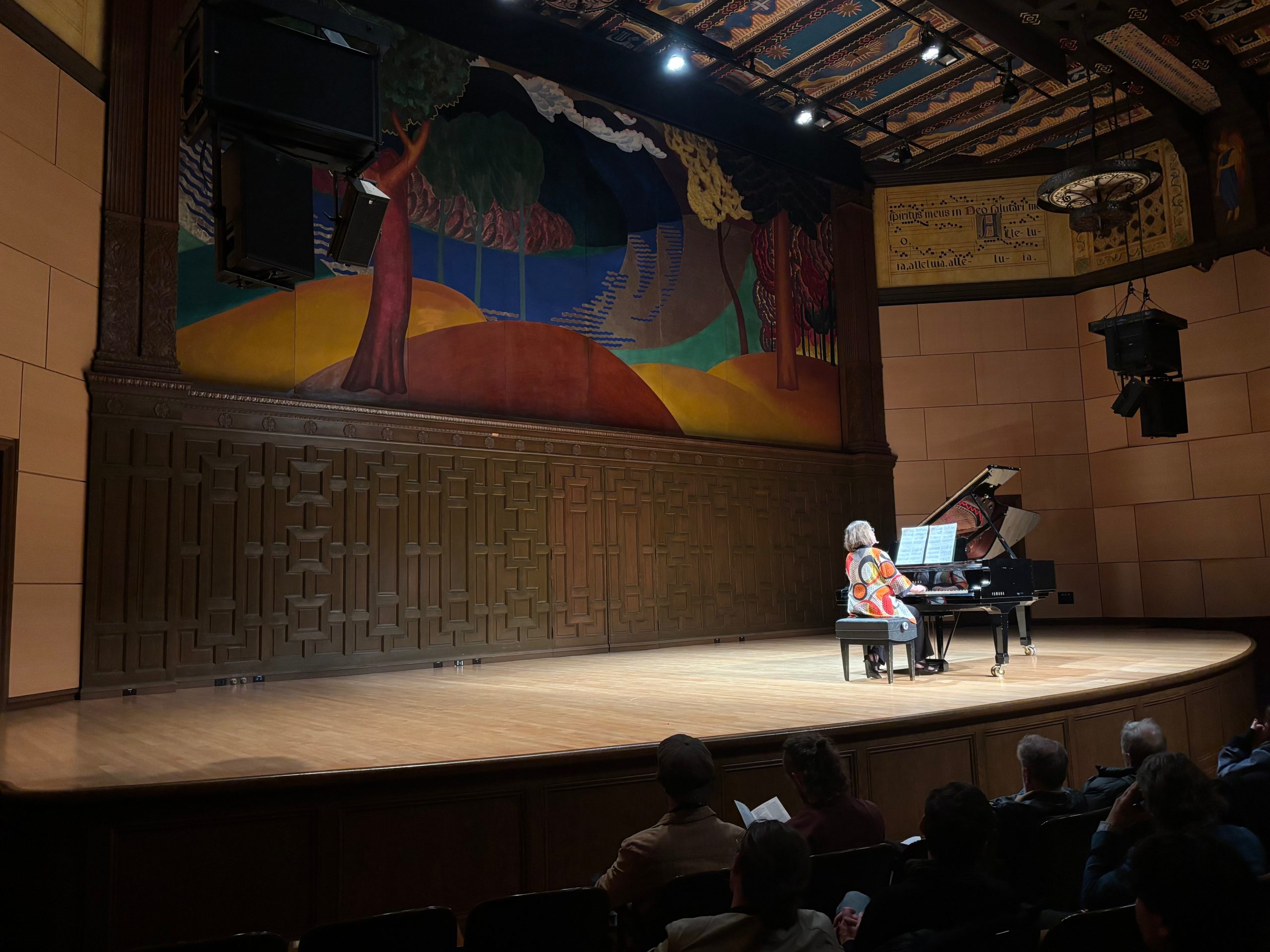
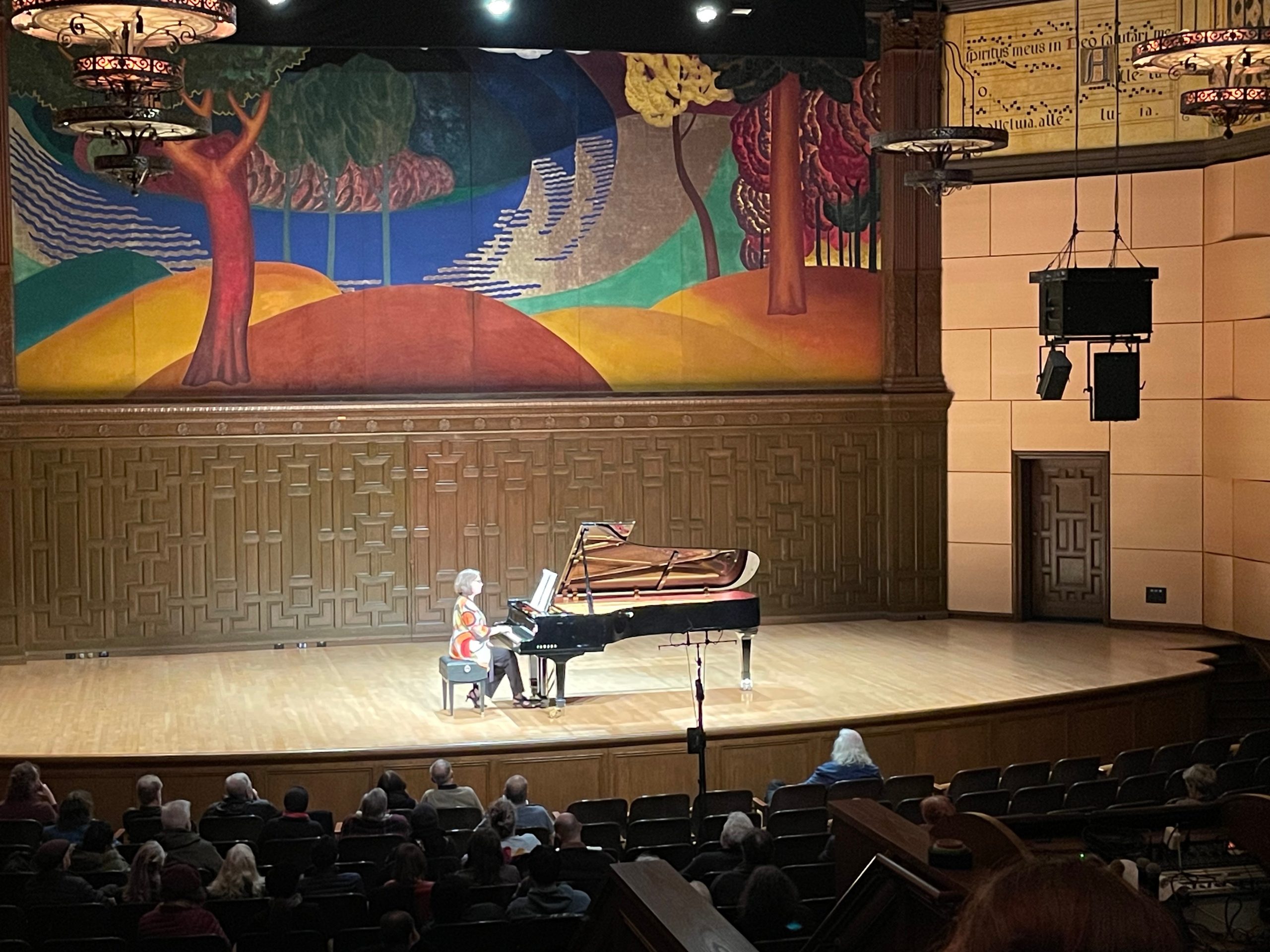
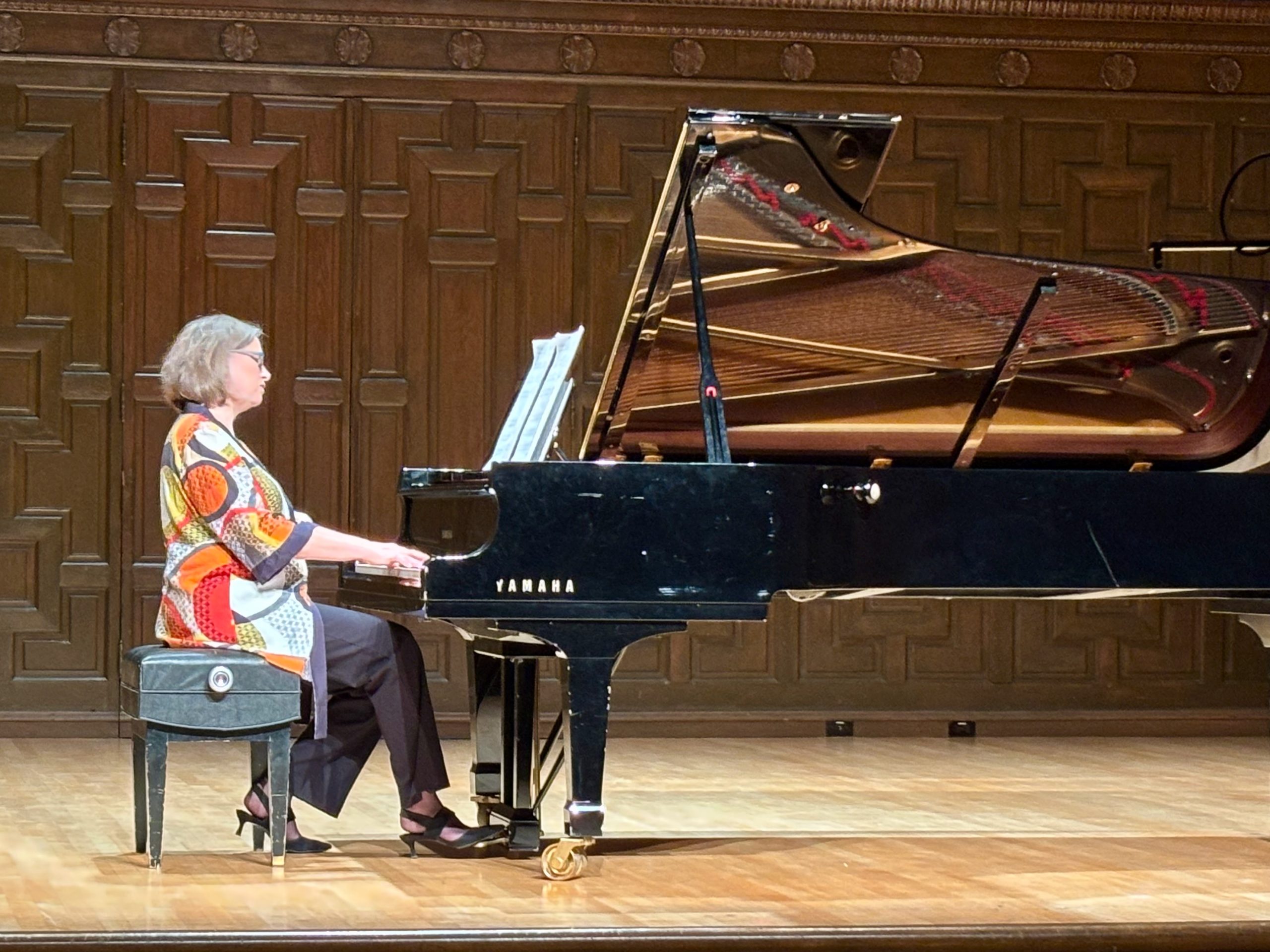
Other Minds welcomed pianist Amy Williams to perform Morton Feldman’s monumental—and rarely performed—Triadic Memories on Thursday, January 8, 2026, at Mills College at Northeastern University in Oakland, in celebration of the composer’s centennial. Morton Feldman’s extraordinary late solo piano work is a study in slowly evolving repetitions over the 80-minute duration. Exact repetitions, subtle variations, shifting patterns and fresh new materials are interwoven. Materials are constantly recontextualized, using different voicing and registers, changing one note of a chord, juxtaposing new harmonies—always changing and always soft. The listener is taken on a journey of deep concentration and reflection.
Pianist/composer Amy Williams has been connected to Feldman’s music since her childhood—her father and Feldman were close colleagues at the University at Buffalo. She has recorded and performed his music for nearly three decades. This concert was part of Other Minds’s PastForward series, presented in cooperation with the Center for Contemporary Music, Northeastern University and Mills Performing Arts.

Click the image to download the full concert program.
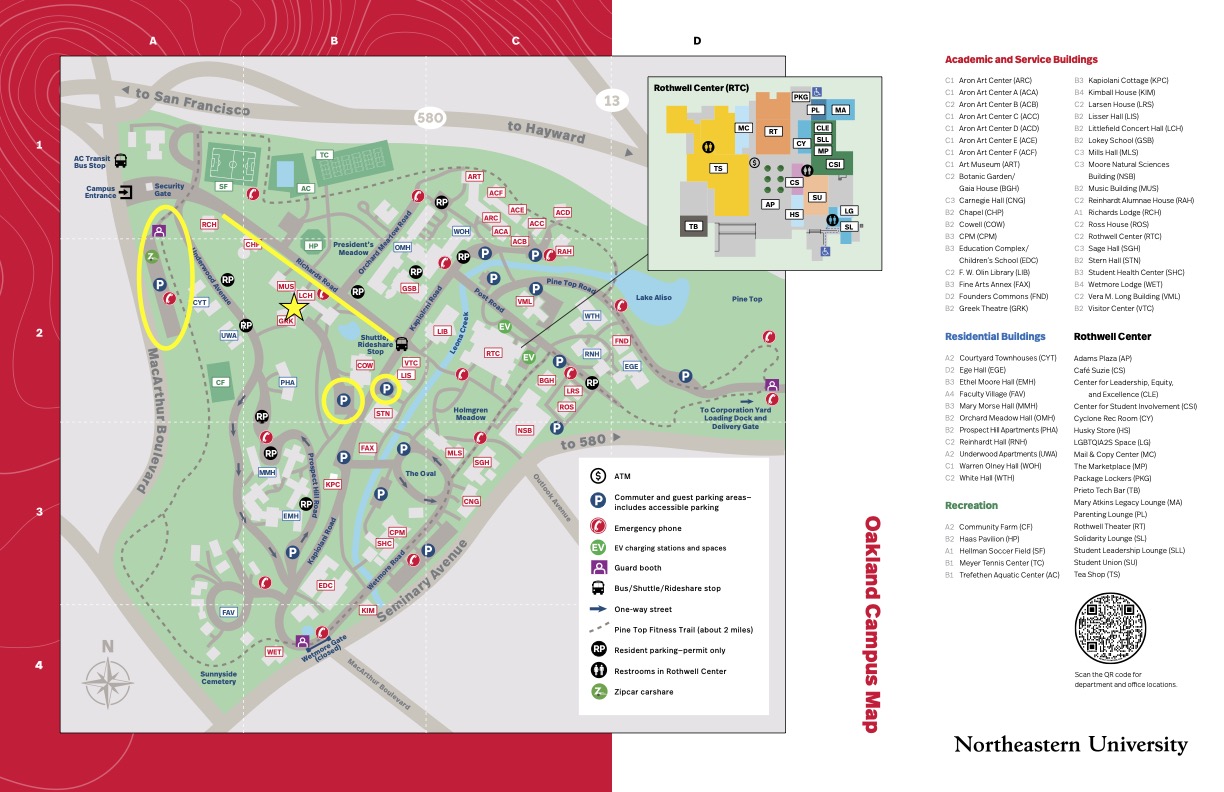
Public parking is indicated on the campus access map below. The best areas for the Concert Hall are:
- Richards Rd (which runs along in front of the hall)
- Richards Lot (to the right immediately upon passing the entrance gate)
- Lisser Lot
- Cowell Lot
We are unable to reserve parking. There is one ADA spot on Richards Rd, two ADA spots in Lisser lot.
Please note Campus Access Policy:
Northeastern University is committed to providing a safe and secure environment for the university community, visitors, and guests.
All vehicle drivers and pedestrians entering campus will be required to identify themselves and state their business on campus at all hours. All vehicle drivers are expected to make a full stop at the stop sign and present government-issued ID to the gate officer.
All persons entering campus between 8:00 p.m. and 5:00 a.m. are required to sign-in and present a Husky Card or a government-issued ID at the Richards Road gate.
Accepted government-issued IDs are state or provincial driver’s license or identification card, passport or passport card, military ID card, or permanent resident card. ID will be requested from the driver of a vehicle and from individuals entering on foot.
Any individual unable to present an accepted ID will not be granted access to campus. Please allow yourself extra time when accessing campus to accommodate the Campus Access Policy.
More information to assist you in traveling to Mills College at Northeastern University is linked here.
If you have any questions, please contact – millsperformingarts@northeastern.edu
Photos
Credits: George Freeborn, Richard Friedman, Rachel Schonfeld, and Joseph Bohigian

About Amy Williams

The “fresh, daring and incisive” (Fanfare) compositions of Amy Williams have been presented by leading international performers, including the Pittsburgh Symphony Orchestra, Buffalo Philharmonic Orchestra, JACK Quartet, Bent Frequency, Ensemble Musikfabrik, Wet Ink, International Contemporary Ensemble, Junction Trio, Orpheus, pianist Ursula Oppens, soprano Tony Arnold, and bassist Robert Black. Her pieces appear on the Albany, Parma, Blue Griffin, Centaur and New Focus labels. As a member of the Bugallo-Williams Piano Duo, she has performed throughout Europe and the Americas and recorded six critically-acclaimed CDs for Wergo (works of Nancarrow, Stravinsky, Varèse/Feldman and Kurtág), as well as appearing on the Neos and Albany labels. Ms. Williams has been awarded a Howard Foundation Fellowship, Fromm Music Foundation Commission, Guggenheim Fellowship, Koussevitsky Music Foundation Commission, two awards from the American Academy of Arts and Letters, a Fulbright Scholars Fellowship to Ireland, a MacDowell fellowship, and the 2024 Henri Lazarof International Commission Prize. Ms. Williams holds a Ph.D. in composition from the University at Buffalo, where she also received her Master’s degree in piano performance. She has taught at Bennington College and Northwestern University and is currently Professor of Composition at the University of Pittsburgh. She is Artistic Director of the New Music On The Point Festival in Vermont.
About Morton Feldman

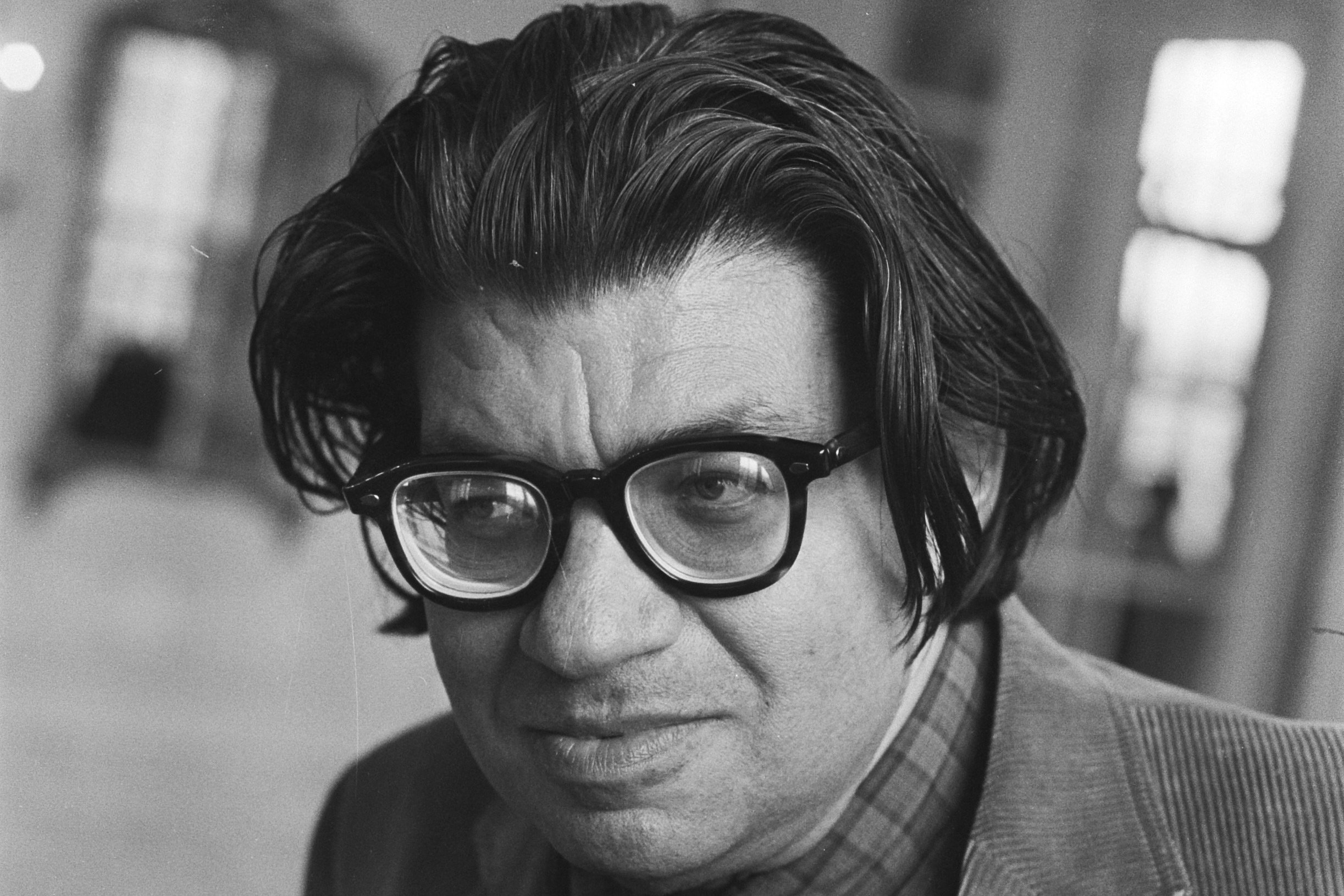
Born to Russian Jews in Queens, New York on January 12, 1926, Morton Feldman quietly became one of the most influential American composers of the post-war period, so much so that one wants to say the most, except for the fact of his friend and comrade John Cage. Early lessons in composition from Wallingford Riegger and Stefan Wolpe prepared Feldman for the chance meeting with Cage in the lobby during a New York Philharmonic concert of Webern that changed his life entirely. After that meeting, the six-foot, almost three-hundred pound composer moved into Cage’s apartment building and was soon happily ensconced amongst the abstract-expressionist painters and New York School composers and poets whose friendships and shared influences would shape his work and thought. During these years, Feldman pioneered many nonstandard modes of musical notation and also experimented with indeterminacy. However, by the early ‘70s, Feldman had begun teaching at The University at Buffalo and composing in a more straightforward manner, eventually settling into a compositional palette that foregrounded inquisition into what would become his trademarks concerns: timbre, low contrast and dynamics, repetition, duration, and space. Because of these interests, Feldman attracts fans of, and is often lumped next to, ambient music and minimalism; however, his music is both too rigorous and too open to fall into these genres and can instead, like the music of his friend Cage, be seen as an initial American-salvo against what, at the time, was felt to be the stranglehold of European tradition and technique. If Cage found the possibility of an American voice in percussion music and the freedom of indeterminacy, Feldman’s American voice comes from a patient and kind materialism. In his later works, especially tonight’s Triadic Memories, musical notes, by virtue of a compositional equanimity that allows sound to become as much as to be, seem to develop into something other than themselves. Morton Feldman died in 1987 of pancreatic cancer, leaving behind a wife: composer Barbara Monk Feldman.