

The Other Minds Podcast features interviews with some of today’s leading composers and performers of new and experimental music. Produced by Other Minds and hosted by members of the Other Minds staff, each episode delves into the creative process of musicians from around the world to provide a context for some of the most innovative music being created today. Special episodes cover specific topics of interest in contemporary music and artistic projects.
 Apple Podcasts
 Spotify
 YouTube
 Amazon Music
 PocketCasts
 Pandora
Episode 39: Amy Williams, Morton Feldman at 100

The “fresh, daring and incisive” (Fanfare) compositions of Amy Williams have been presented by leading international performers, including the Pittsburgh Symphony Orchestra, Buffalo Philharmonic Orchestra, JACK Quartet, and International Contemporary Ensemble. As a member of the Bugallo-Williams Piano Duo, she has performed throughout Europe and the Americas and recorded six critically-acclaimed CDs for Wergo (works of Nancarrow, Stravinsky, Varèse/Feldman and Kurtág), as well as appearing on the Neos and Albany labels. She is a Professor of Composition at the University of Pittsburgh and Artistic Director of the New Music On The Point Festival in Vermont. On January 8, 2026, Williams will perform Morton Feldman’s Triadic Memories for Other Minds at Mills College at Northeastern University in Oakland, California. She joins us to talk about her early impressions of Feldman in Buffalo, New York, his influence on 20th century music, and her upcoming performance in Oakland.
Photo by Rob Davidson.
Episode 38: Pamela Z, More or less at the same time
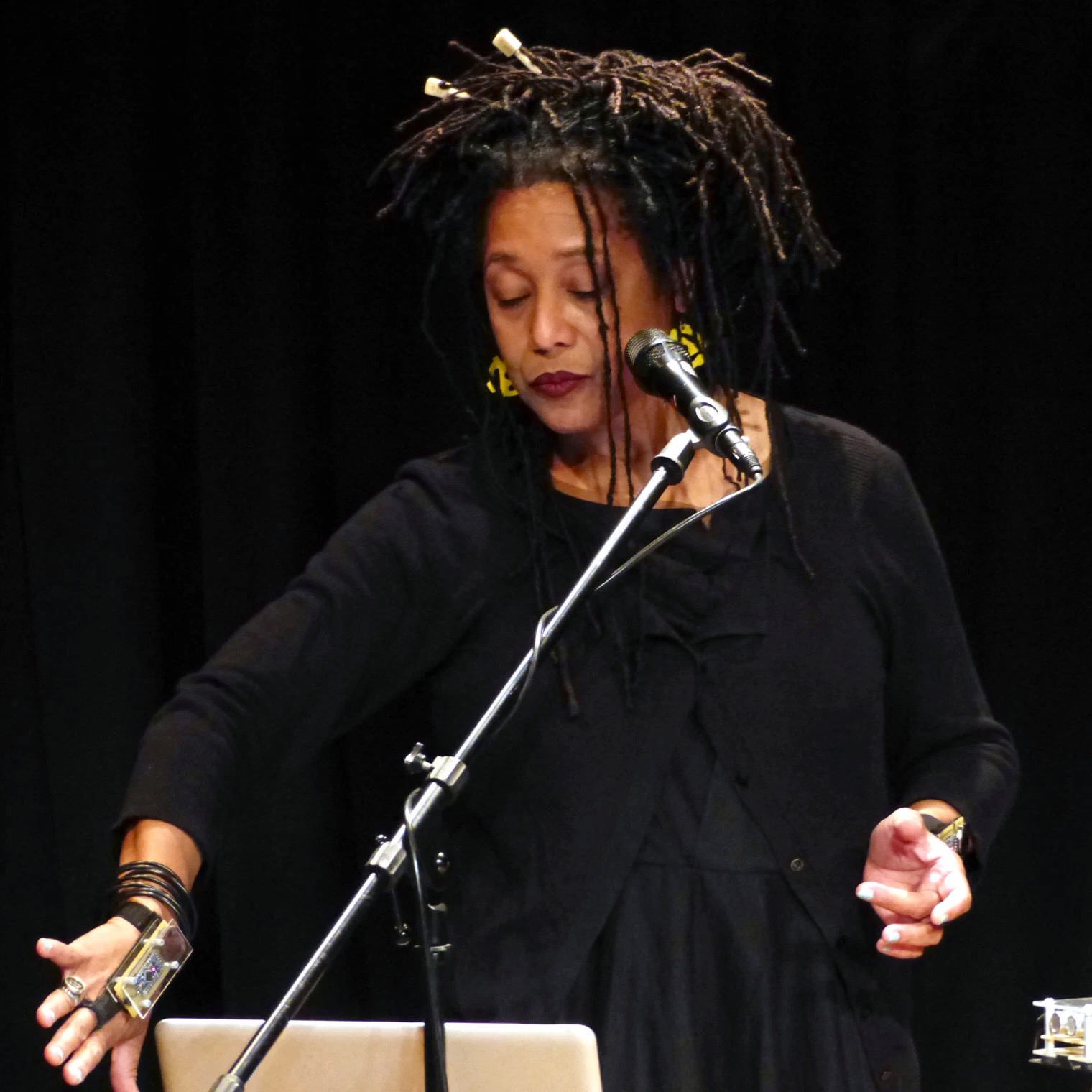
Pamela Z is a composer/performer and media artist working with voice, live electronic processing, sampled sound, and video. A pioneer of live digital looping techniques, she processes her voice in real time to create dense, complex sonic layers. Her works combine experimental extended vocal techniques, operatic bel canto, found objects, text, sampled sounds, and custom MIDI controllers that allow her to manipulate sound and image with physical gestures. At this year’s Other Minds Festival, Z will perform her piece Simultaneous, an intermedia composition for voice, electronic processing, chamber ensemble, speech samples, gesture control, and projected video. In conjunction with the performance, Other Minds Records will release a fixed media version of Simultaneous on LP and CD. In the interview, we talk about Z’s interest in simultaneous translation, finding music in speech, and her use of gesture control instruments.
Photo by Charles Smith.
Episode 37: Nancy Karp, Choreographing in Silence
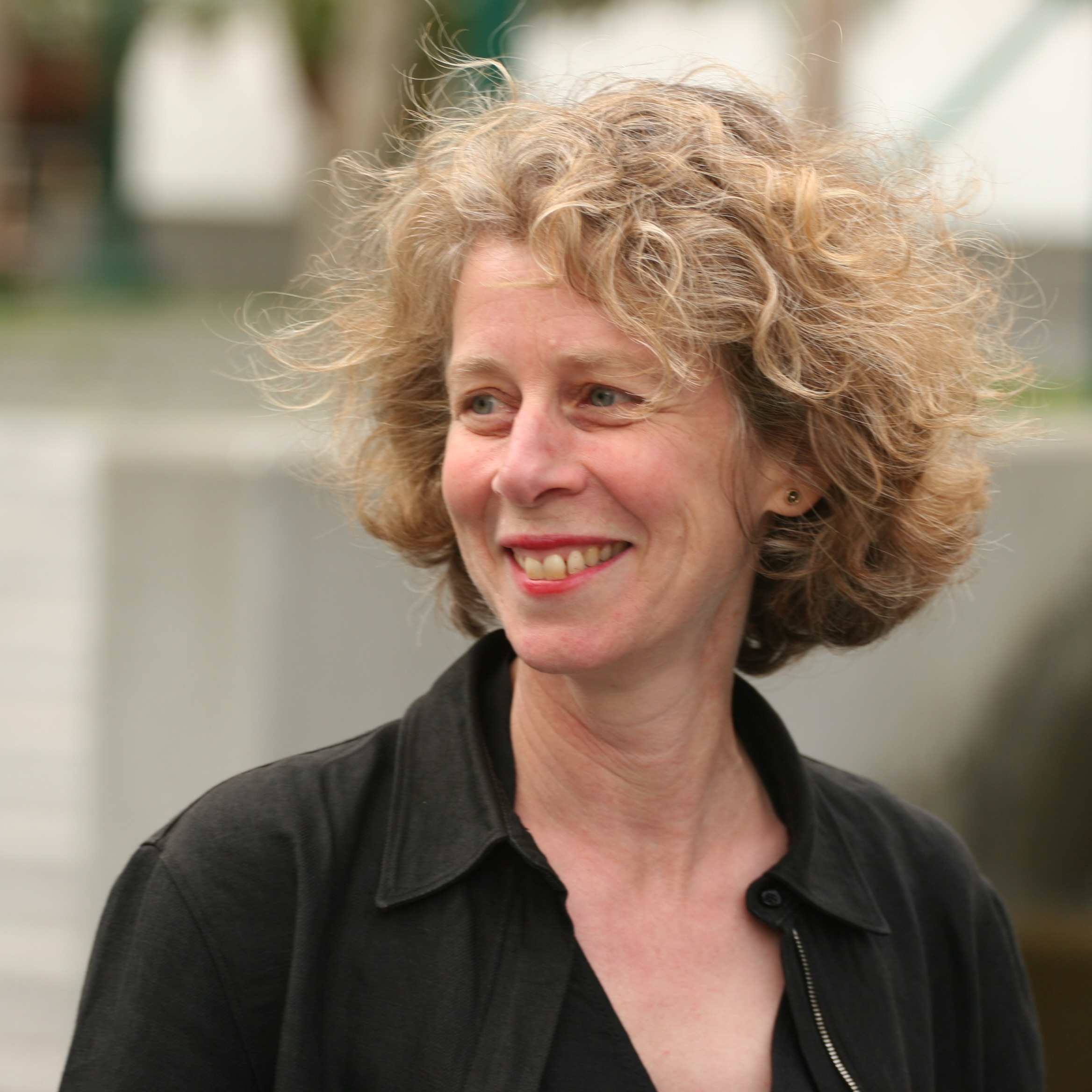
Choreographer Nancy Karp grew up in Los Angeles, where she was an early student at CalArts. She embraces elaborate structures working with units of pure movement, investigating their potential through combination and variation. From these “structural investigations” emerge patterns and phrases that become her dances. In 1980, she founded her dance company, Nancy Karp + Dancers. On Night 3 of this year’s Other Minds Festival, Karp will premiere a new piece set to James Tenney’s Three Pieces for Drum Quartet. On the podcast, we talk about Karp’s education at CalArts, collaborating with composers, and choreographing her new piece.
Photo by Joan Lazarus.
Episode 36: Peter Garland on Ingram Marshall
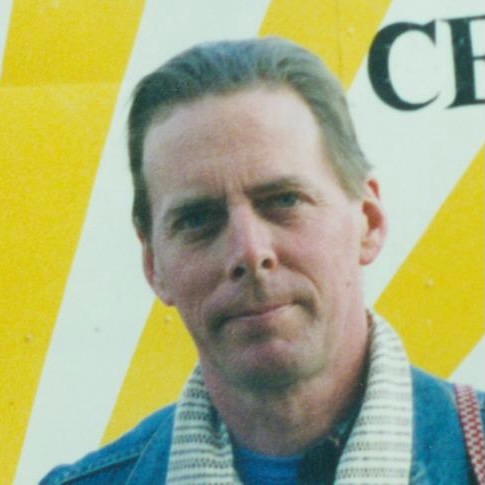
Other Minds’s own Devin King joins us to read an excerpt from our first ever OM book, Peter Garland’s Ingram Marshall: A Personal and Musical Appreciation. Born in 1952 in Portland, Maine, Peter Garland was one of the original students at CalArts in 1970, where his principal teachers were Harold Budd and James Tenney. From 1971 to 1991 he edited and published Soundings magazine and press, where he printed the work of four generations of mostly American composers. As an editor and essayist he played a pivotal role in the rediscovery and re-evaluation of such composers as Conlon Nancarrow, Silvestre Revueltas, Lou Harrison, Paul Bowles, Dane Rudhyar, Harry Partch, and James Tenney. King gives us a first look at what’s in store.
Photo by Esperanza Esquivel.
Episode 35: Zeena Parkins, For the Pink Cup
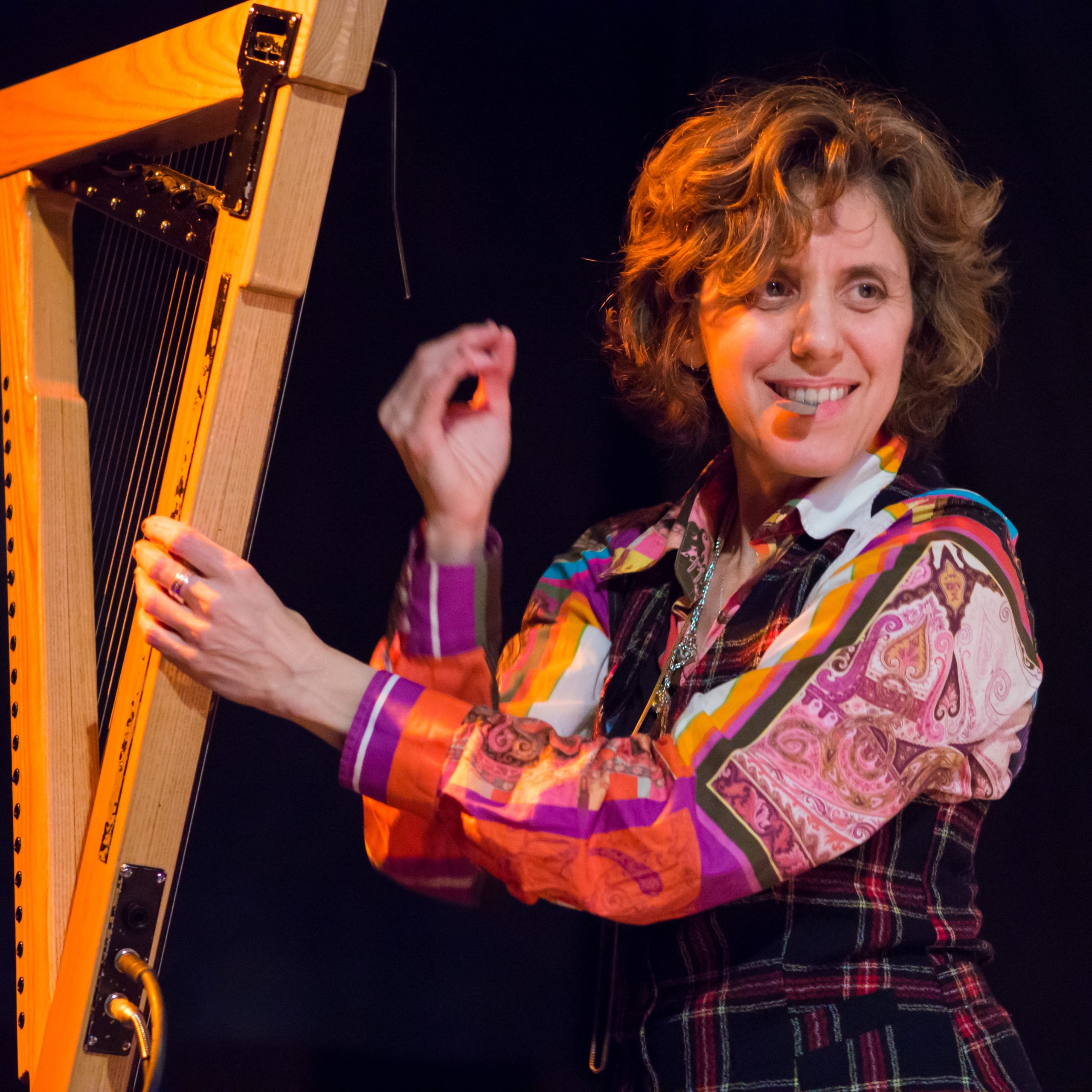
Electroacoustic composer, improviser, and harpist Zeena Parkins is a pioneer of contemporary harp practices, making use of extended techniques, object preparations, and electronic processing. In her compositions, Parkins utilizes collections, recombination, historic proximities, geography, and movement. On Night 3 of this year’s Other Minds Festival, Parkins will perform her new work Modesty of the Magic Thing with percussionist William Winant. On the podcast, we talk about Parkins’ early experiments with the harp, electrifying the instrument, and her new work inspired by the drawings of the American visual artist Jay DeFeo.
Episode 34: Putu Septa, Experiments in Gamelan
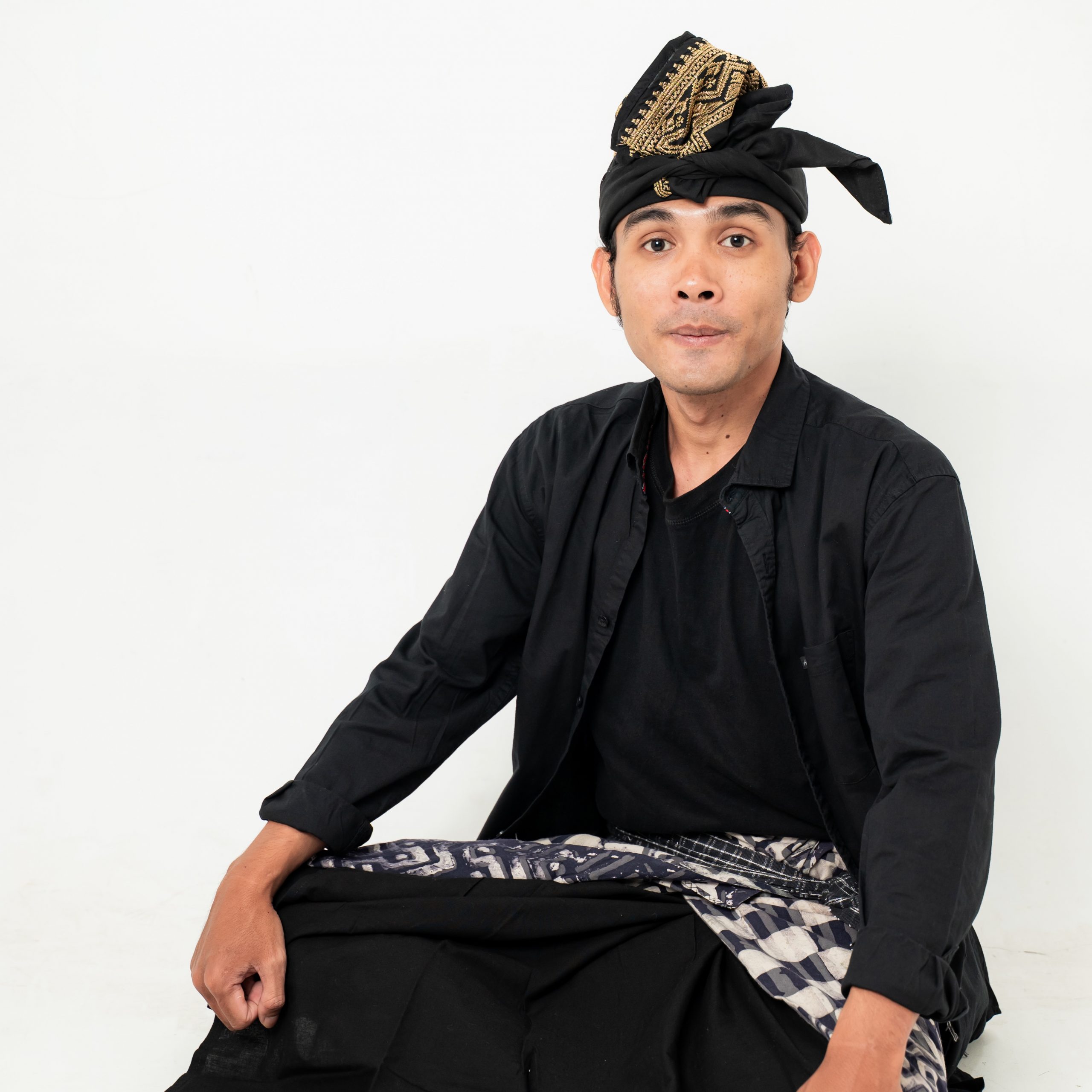
Putu Septa is a composer and musician from the village of Padangtegal, Ubud, Bali. To contribute to new music on Balinese gamelan, Septa initiated a new gamelan ensemble–Nata Swara–which performs with, among others, Gamelan Sada Sancaya, an orchestra of extended range bronze instruments designed by Septa, and Kendang Briuk, an instrument set consisting of a varied collection of Balinese kendang drums. On the final day of this year’s Other Minds Festival, Septa, along with fellow Nata Swara member I Kadek Janurangga, will perform with ZOFO, the Bay Area piano duo of Eva-Maria Zimmermann and Keisuke Nakagoshi, and Brian Baumbusch. The supergroup will perform music by Ni Nyoman Srayamurtikanti, Brian Baumbusch, Colin McPhee, and Septa himself. Septa also has a new CD out on Other Minds Records in September called Piwal.
Photo by Wah Photo.
Episode 33: Kristine Tjøgersen, Finding the Music in Nature
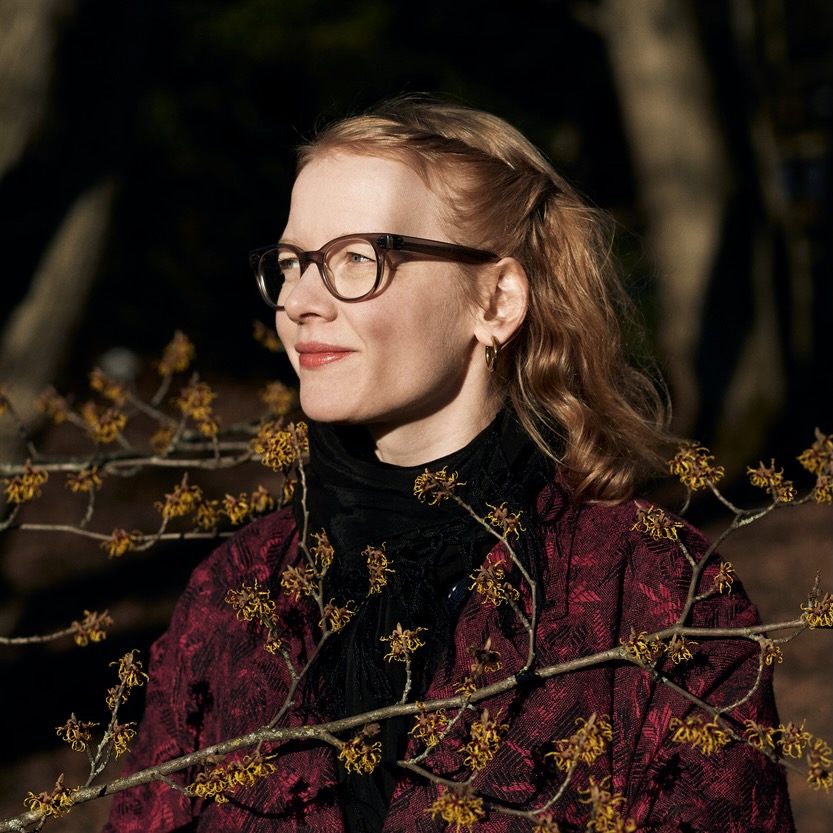
Kristine Tjøgersen’s compositional practice is characterized by curiosity, imagination, humor, and precision. She has a special interest in the interplay between the visual and the auditory as well as the natural world. Her collaboration with researchers and biologists is a source of new sound and scenic ideas, incorporating organic forms into the music. On Night 3 of this year’s Other Minds Festival, pianist Ellen Ugelvik and lighting designer Evelina Dembacke will perform Tjøgersen’s Piano Piece. On the podcast, we talk about collaborating with biologists, creating a forest inside a piano, and much more!
Photo by Frederic Boudin.
Episode 32: Samuel Adams, Changing Resonances
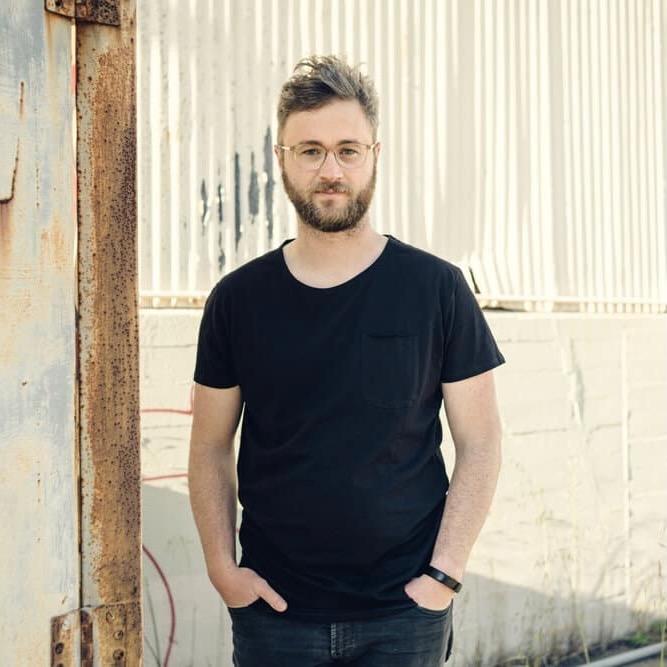
Samuel Adams (b. 1985) is an American composer. Gramophone Magazine praised Adams as “among the most interesting composers of the millennial generation in his negotiation of the tensions that shape and define his musical narratives: between directness and implication, silence and resonance, emotion and its aftermath.” His work resists the traditional tensions of classical music, blending acoustic and digital sounds in inventive, texturally rich compositions. He has been commissioned by a number of major ensembles, including the San Francisco Symphony, Los Angeles Philharmonic, New World Symphony, Australian Chamber Orchestra, Chicago Symphony, Cincinnati Symphony, Dallas Symphony, Los Angeles Chamber Orchestra, and The Living Earth Show. On the podcast, Adams talks about growing up in the Bay Area, working with the San Francisco Symphony, and the influence of composer Ingram Marshall on his life and work.
Photo by Lenny Gonzalez.
Bonus: Blue + Bob

On Sunday, September 7, 2025, Other Minds will present a two piano recital of the music of “Blue” Gene Tyranny and Robert Ashley with pianists Sarah Cahill and Joseph Kubera at Mills College at Northeastern University in Oakland. Robert Ashley and “Blue” Gene Tyranny were both iconic and beloved teachers at the Mills College Music Department. They were opposites in many ways, but when they met in the early 1960s working with the legendary ONCE Group, they forged a fifty-year collaboration and lifelong friendship. In preparation for the concert, we’re sharing excerpts from interviews with the two composers from the Other Minds Archives.
Photo by John Sanborn.
Bonus: Simon Morrison on Galina Ustvolskaya
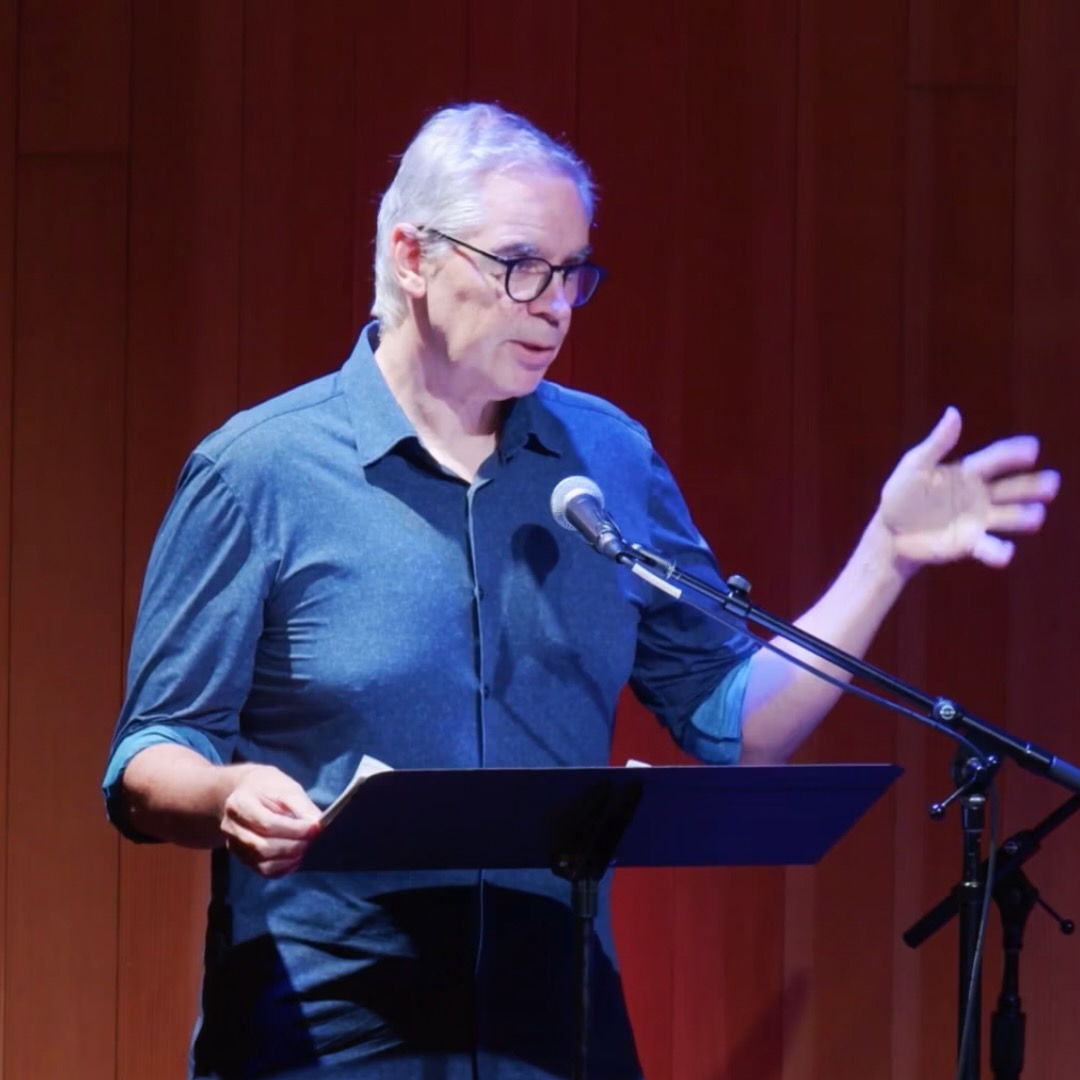
Tune in for another special episode: a recording of the pre-concert talk by musicologist Simon Morrison at our concert of the complete piano sonatas of 20th century Russian composer Galina Ustvolskaya, performed by Conor Hanick. Simon Morrison is a Professor of Music at Princeton University specializing in 20th-century Russian and Soviet music. In the recording, you’ll hear Morrison discuss Ustvolskaya’s life, her relationships with her contemporaries, and her six piano sonatas, composed between 1947 and 1988. After the episode, check out the video of Conor Hanick’s performance of Galina Ustvolskaya’s piano sonatas at the Freight & Salvage in Berkeley, California.
Episode 31: Stephanie Loveless, A Year of Deep Listening
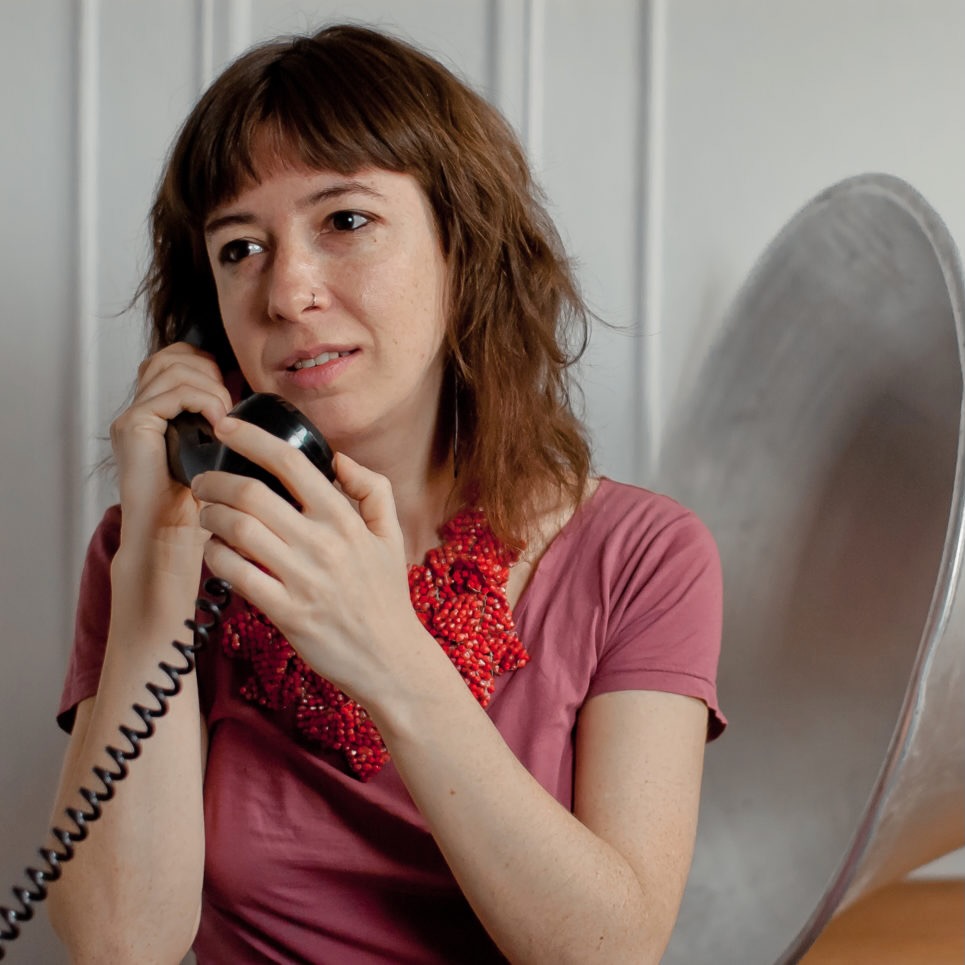
A Year of Deep Listening was a 365-day online celebration of Pauline Oliveros’ legacy, coinciding with what would have been her 90th birthday. The Center for Deep Listening, established at Rensselaer Polytechnic Institute in 2014, posted one text score per day, totaling 365 pieces, which will be published in book form on January 28, 2025, as A Year of Deep Listening: 365 Text Scores for Pauline Oliveros. On the podcast, Joseph Bohigian is joined by Stephanie Loveless, a sound and media artist, Director of the Center for Deep Listening, and the editor of this new volume, to talk about the project.
Episode 30: Thea Farhadian, Tattoos and Other Markings
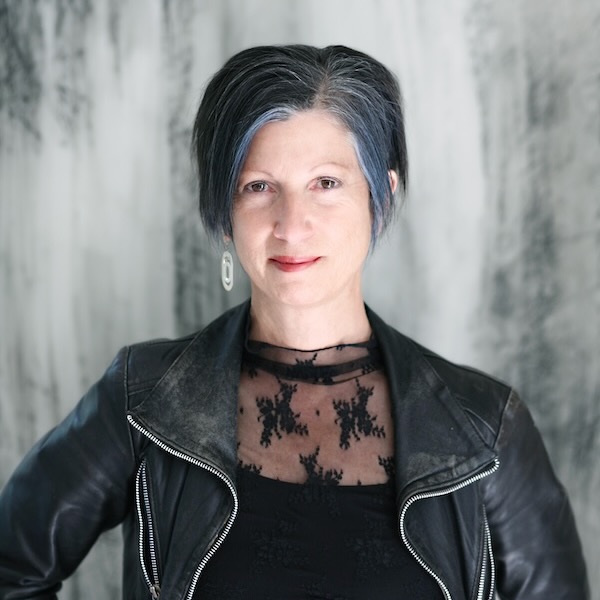
Thea Farhadian is a composer and violinist who creates multi-textured sound worlds which employ an array of elements drawn from her engagement with Western classical music, performance art, Arabic classical music, and live electronic processing. She collaborates with a network of Bay Area, East Coast, and international colleagues and her work has been seen and heard at Galerie Mario Mazzoli in Berlin, the Aram Khachaturian Museum in Yerevan, and Bimhuis in Amsterdam. Today, Other Minds Records releases Farhadian’s newest album, Tattoos and Other Markings, an electronic composition exploring cultural memory and the urge to remember difficult histories.
Photo by Heike Liss.
Episode 29: Trimpin, Autonomous Cellos and Self-Playing Pianos
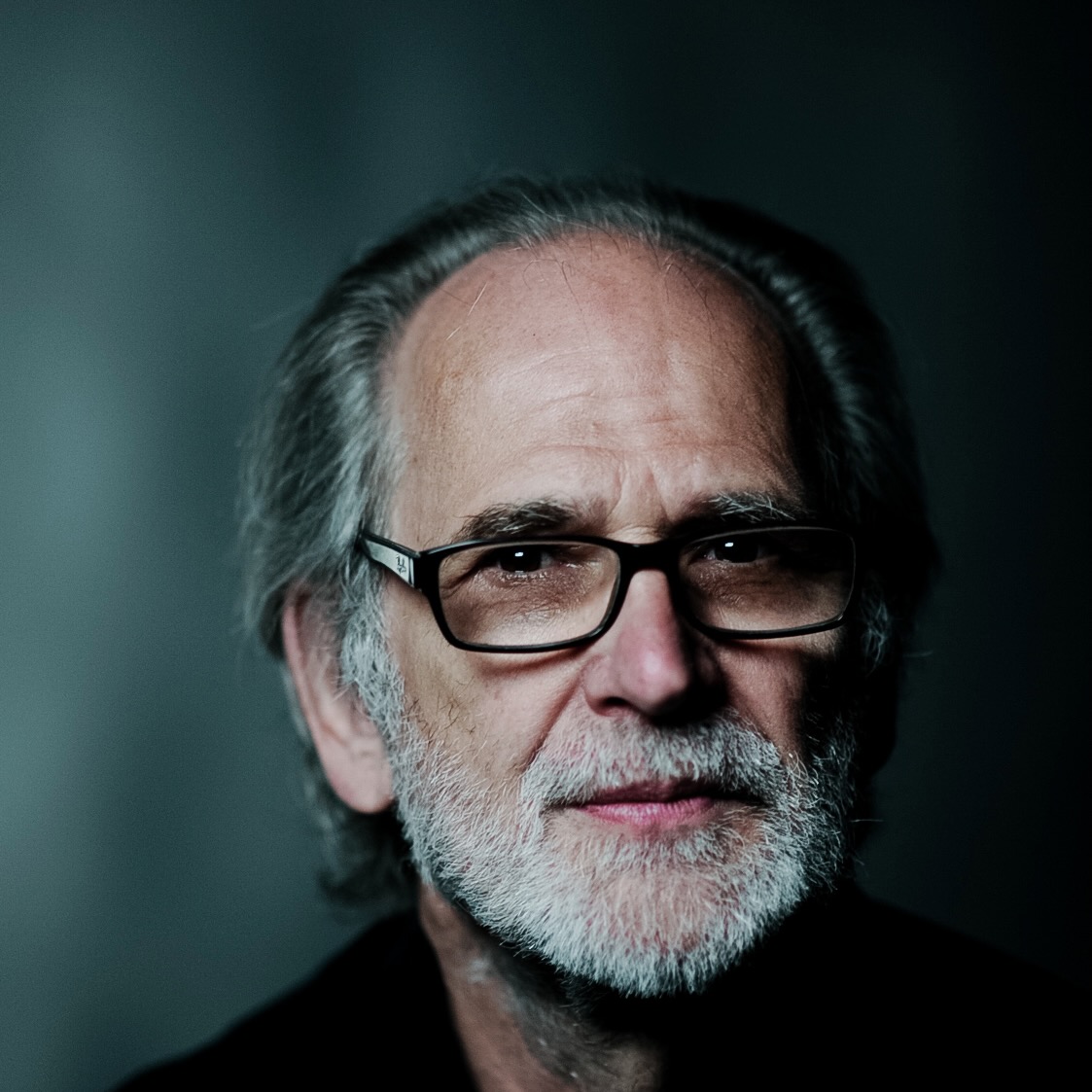
Trimpin is a sound sculptor, composer, engineer, and inventor. A specialist in interfacing computers with traditional instruments, he has developed ways of playing instruments ranging from giant marimbas to stacks of electric guitars via computer. His work integrates sculpture, sound, and live performance. Born in Germany, he relocated to the United States in 1979. This year’s Other Minds Festival features the world premiere of a newly commissioned work by Trimpin, The Cello Quartet. It features autonomous cellos, circus artists, percussive lamp shades, and more. In the interview, Joseph Bohigian talks with Trimpin about his custom-built cellos, collaborating with choreographer Margaret Fisher, and the influence of spatial music composer Henry Brant.
Photo by Ernie Sapiro.
Episode 28: IMA, Time Perspectives
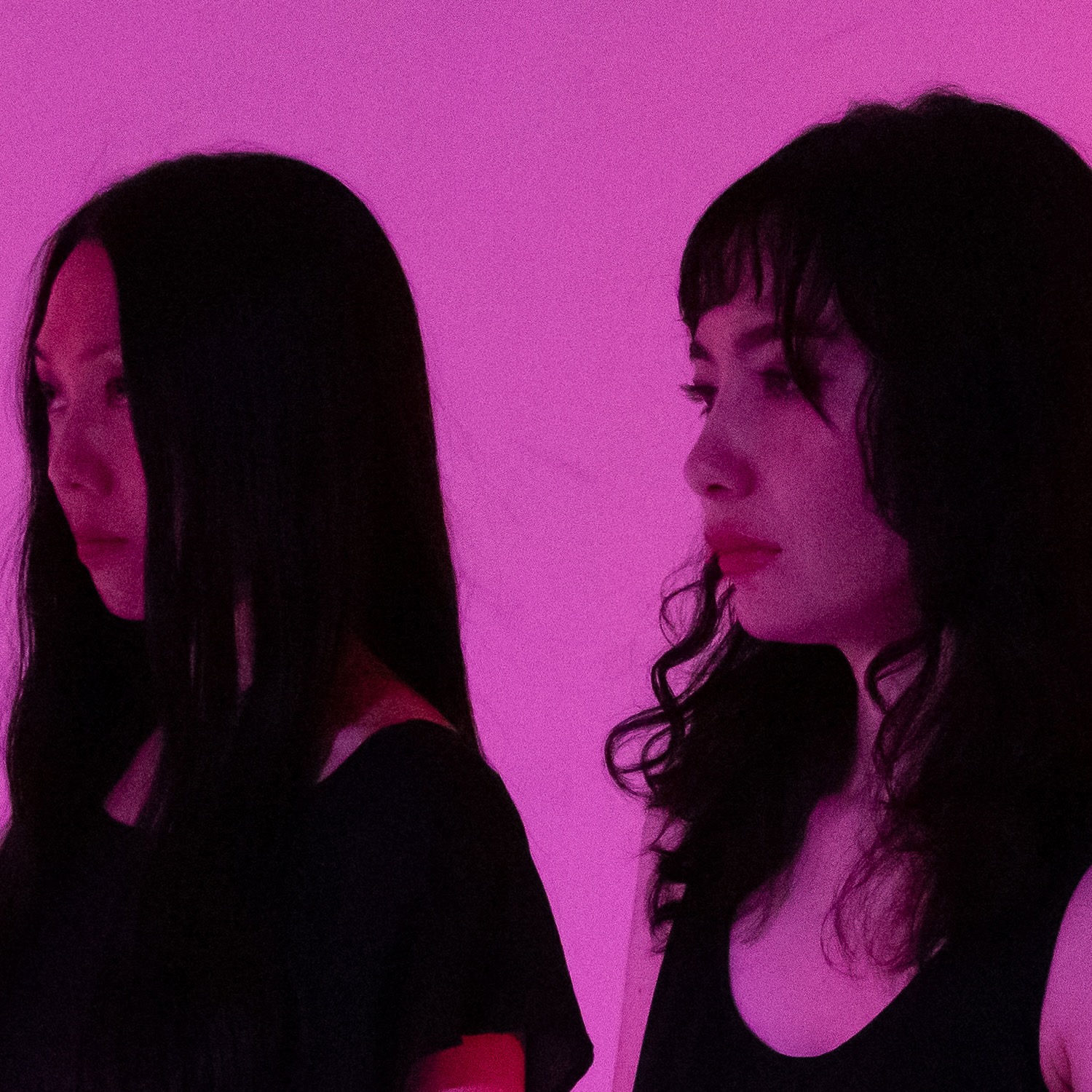
IMA is the electro-percussion project of electronic sound artist Amma Ateria and percussionist Nava Dunkelman. The duo has been presented in residency at The Stone, San Francisco Electronic Music Festival, San Francisco Art Institute, and Stanford University and collaborated with Ikue Mori, Fred Frith, John Zorn, Matmos, and many others. IMA will perform The Flowers Die in Burning Fire on the final night of this year’s Other Minds Festival on September 28, 2024. In the interview, we talk about the duo’s early collaborations, perception of time in music, and the influence of Japanese poetry.
Photo by Wolfgang Daniel and Pioneer Works.
Episode 27: Jan Martin Smørdal, The Sound of Social Structures
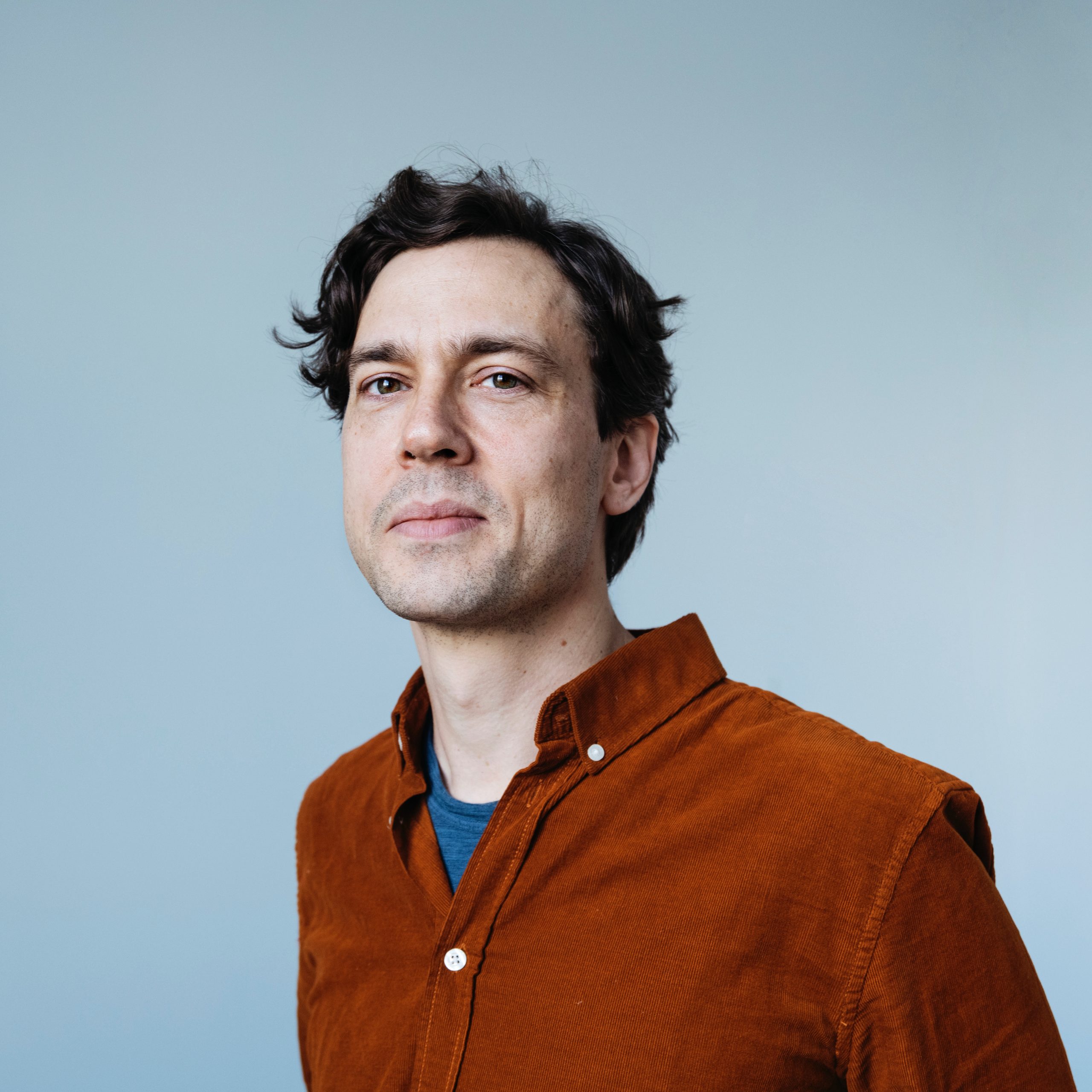
Jan Martin Smørdal is a Norwegian composer and performer of contemporary music. With a background in experimental bands and improvisation, he writes music often inspired by social phenomena: imitation and mimicry; swarms, flocks, and other collective behaviors; memory; and the unevenness inherent to being human. His music has been performed at festivals such as Ultima, ISCM, MATA, and Borealis and released on the labels LAWO, SOFA, and Aurora. Smørdal is also a co-founder and member of Ensemble neoN, an Oslo-based contemporary music collective. His piece Both sides. Now will be performed by Yarn/Wire at Other Minds Festival 28 on September 27, 2024, at the Brava Theater in San Francisco.
Photo by Signe Fuglesteg Luksengard.
Episode 26: Marshall Trammell and Hafez Modirzadeh, Music Research Strategies
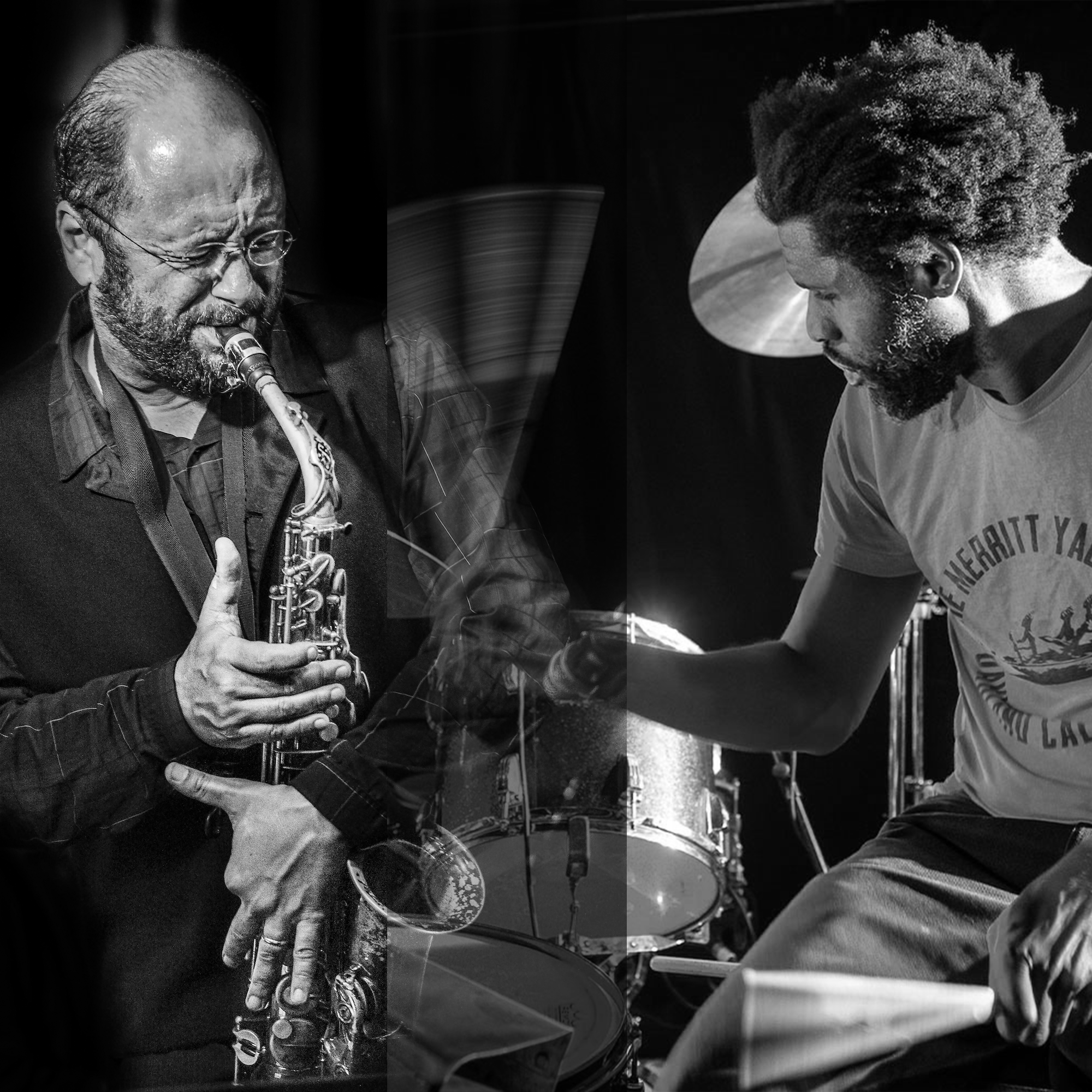
Marshall Trammell is an experimental archivist, percussionist, conductor, and composer. His aesthetics and activism are centered in social change interventions using political aesthetic theory, data creation, mapping, and collective music-and-artmaking in order to relocate the act of co-production from traditional cultural institutions into communities. Hafez Modirzadeh is a saxophonist, composer, and theorist whose music and research focuses on cross-cultural approaches. Trammell and Modirzadeh will perform We Say NO To Genocide on the final night of Other Minds Festival 28, Saturday, September 28, 2024. In the interview, we discuss the pair’s history of collaboration, Trammell’s Music Research Strategies, and Modirzadeh’s cross-cultural approach to music.
Photos by Ryoko Minemura and Agatha Urbaniak.
Episode 25: Brian Baumbusch, Polytempo Music
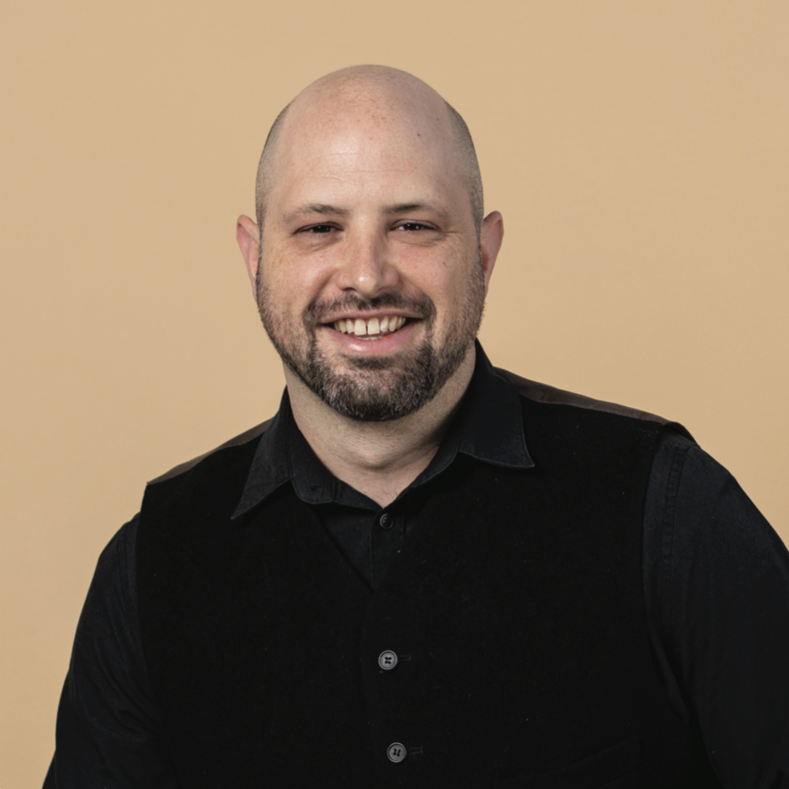
Brian Baumbusch is a composer, instrument designer, and musicologist whose works engage the use of new technologies while also drawing on deep cross-cultural histories. His Polytempo Music, performed by the San Francisco Contemporary Music Players, is being issued in three different formats simultaneously: as a compact disc on Other Minds Records, as a virtual reality application for the Meta Quest headset, and as a mobile app for both Apple and Android users. Today, we’re bringing you an interview with Baumbusch about Polytempo Music conducted by Other Minds board member Bari Scott live at the David Brower Center in Berkeley, California on June 28, 2024.
Photo by Melati Citrawireja.
Episode 24: Annea Lockwood, Composing Collaboratively
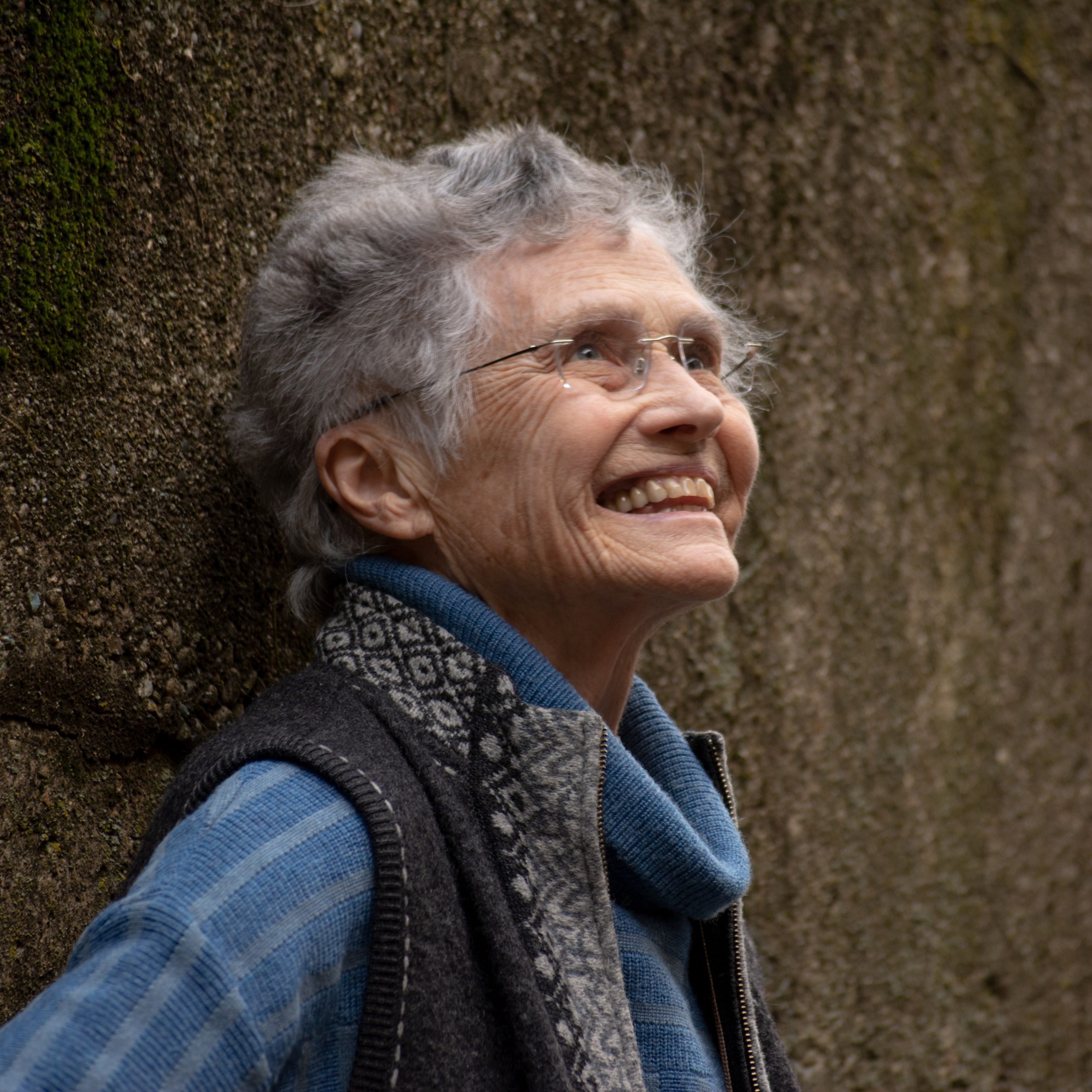
Annea Lockwood’s compositions range from sound art and environmental sound installations to concert music. Water has been a recurring focus of her work and her three installation sound maps of rivers have been widely presented. She is a recipient of the SEAMUS Lifetime Achievement Award 2020 and was inducted into the American Academy of Arts and Letters in 2022. In the interview, we discuss two of her recent works which will be performed at the Other Minds Festival: Becoming Air, co-composed with Nate Wooley and Into the Vanishing Point, co-composed with Yarn/Wire. Also discussed are Lockwood’s practice of making sound maps and her upcoming project with Wooley sound mapping the Columbia River in the Pacific Northwest.
Photo by Julia Dratel.
Episode 23: Karen Power, Letting the Environment Speak
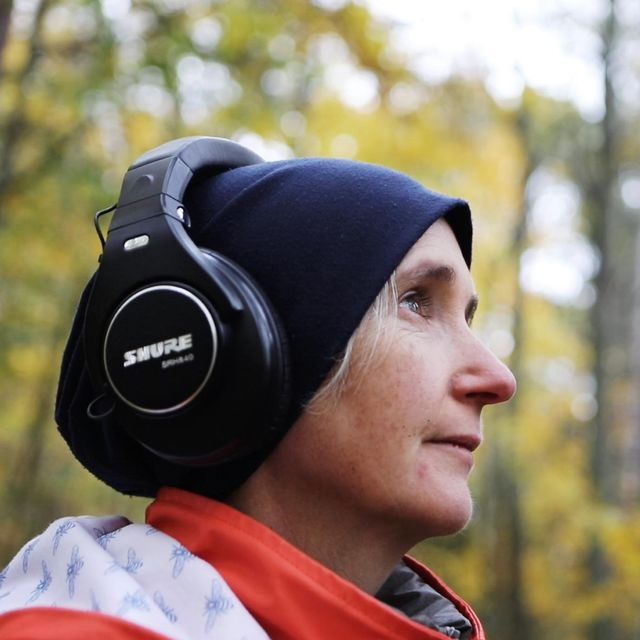
Karen Power is a composer from Cork, Ireland whose work spans orchestral music, sound installation, music for dance and experimental film, and free improvisation. Since 2012, much of her work has been concerned with the use of field recordings and ambient sounds. Power has a new album with Quiet Music Ensemble out now on Other Minds Records, …we return to ground…, which surveys her field recording compositions written between 2015 and 2022. In the interview, we talk about field recordings, dialogue between natural sounds and human performers, and Power’s “aural scores.”
Photo by Frida Sjögren.
Episode 22: Adam Tendler, Inheritances
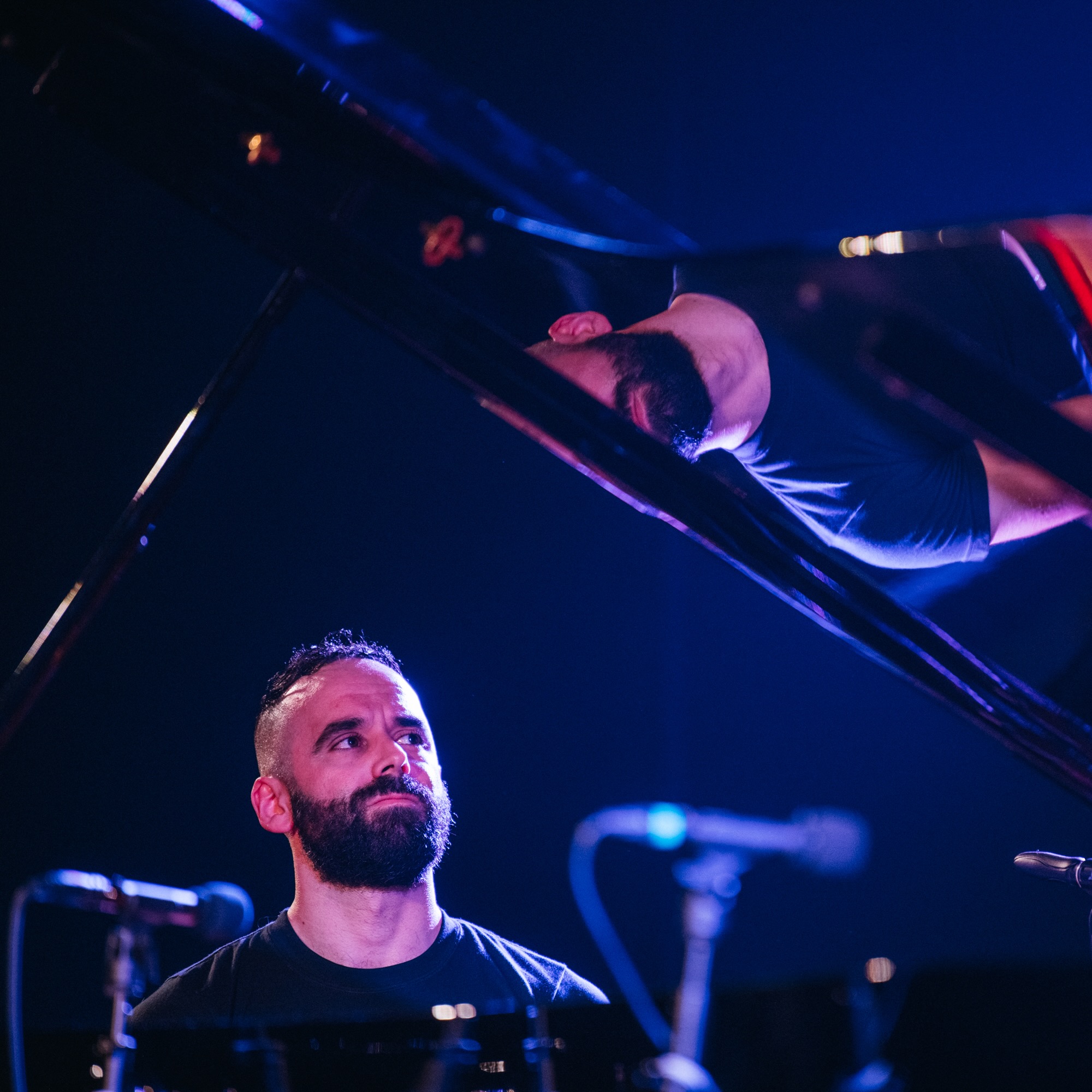
Adam Tendler is a New York-based pianist and author. A pioneer of DIY culture in concert music, in his early twenties Adam performed in all fifty states as part of a grassroots recital tour he called America 88×50, which became the subject of his memoir, 88×50. After his father’s unexpected death in 2019, he used his inheritance to commission a group of composers including Laurie Anderson, Timo Andres, and Pamela Z to create new piano works exploring the idea of ‘inheritance.’ On July 17, 2024, Other Minds will present the Bay Area premiere of Tendler’s Inheritances at the Brava Theater in San Francisco. In the interview, we talk about the origins of Inheritances, looking back at one’s own past, and the unexpected turns the project has taken.
Photo by Jan Gates.
Episode 21: Giacomo Fiore, Lost Horse Wash Drone
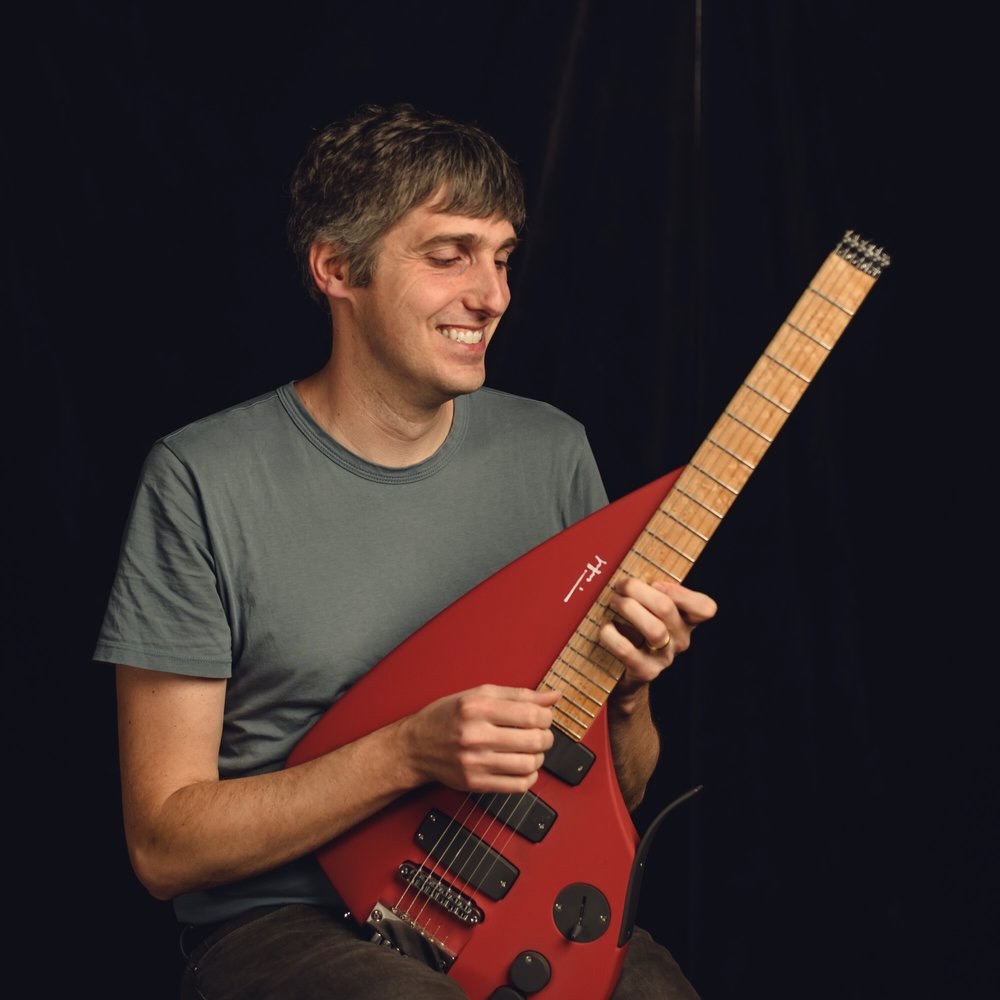
Giacomo Fiore is a guitarist and musicologist and has premiered more than two dozen works for justly-tuned, electric, and classical guitars. As a scholar, his research focuses on American experimental music, intonation, and performance, and he teaches historical and practical music courses at the University of San Francisco and UC Santa Cruz. In the interview, we discuss Fiore’s new album Lost Horse Wash Drone, released by Other Minds Records. The album features field recordings from Joshua Tree National Park and the nearby Lou Harrison House, alongside Fiore’s guitar playing.
Photo by Lenny Gonzalez.
Episode 20: Soosan Lolavar, Disrupting Diaspora
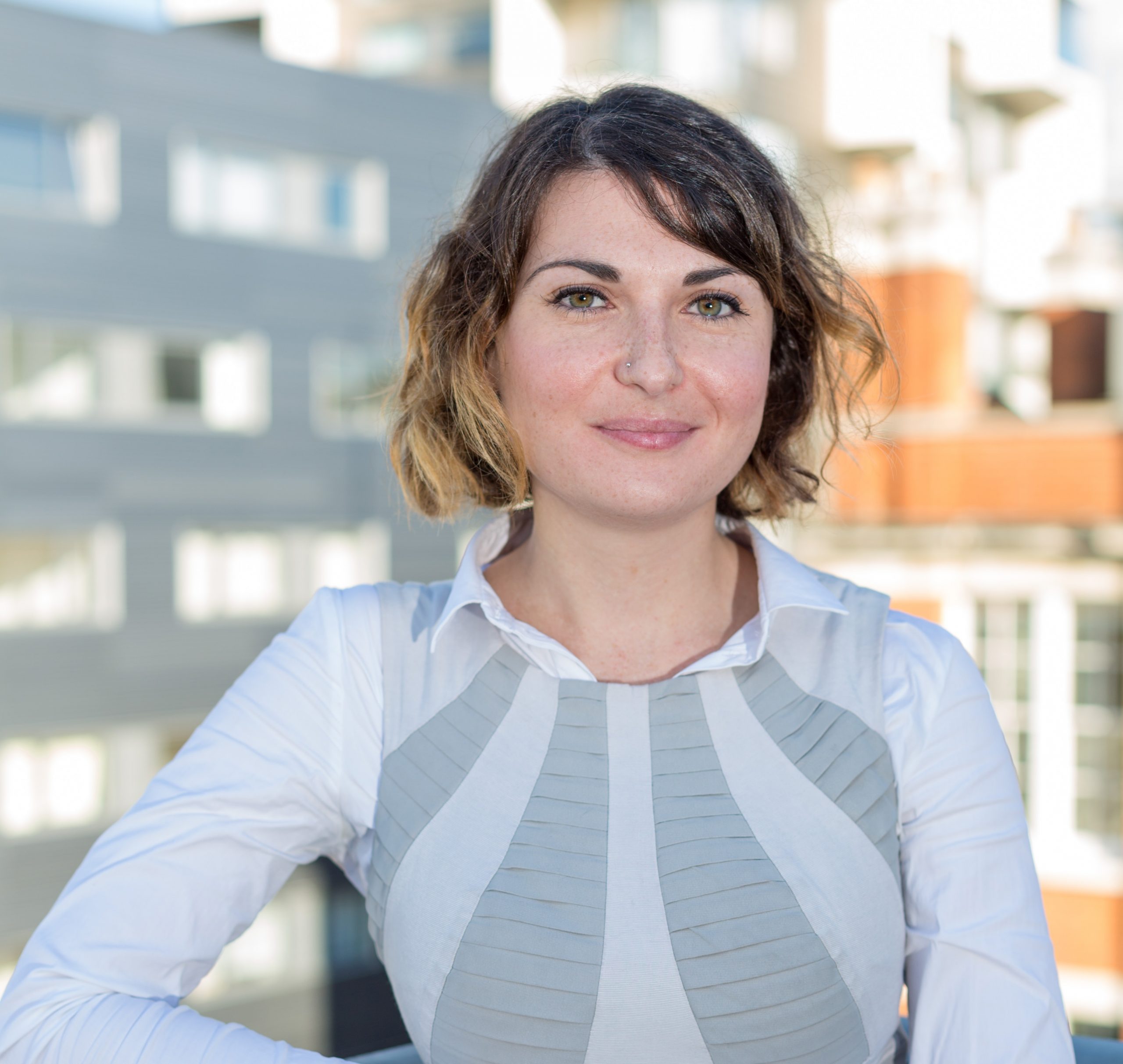
Soosan Lolavar is a British-Iranian composer, researcher, and lecturer living in London. Having studied Iranian classical music, her music draws on ideas from both Western and Iranian traditions with a focus on the diaspora experience. Her album Girl with the London chamber orchestra Ruthless Jabiru was released in March 2024, and her book Embodied Research Through Music Composition and Evocative Life-Writing: Disrupting Diaspora was published in April 2024. Lolavar’s book, the subject of this interview, examines how attending to the lived experience of diaspora can impact our understanding of the term through the lens of her practice as a composer.
Episode 19: Jennie Gottschalk, Experimental Music Since 1970
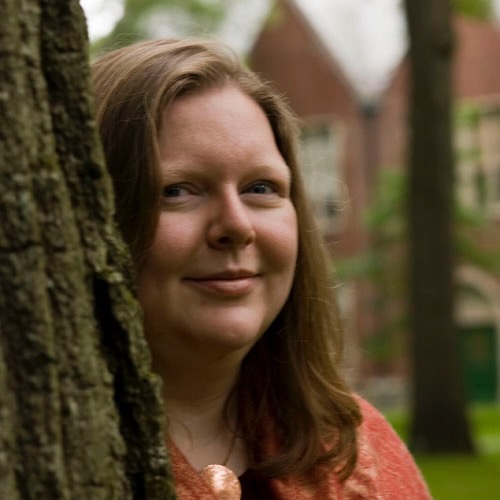
Jennie Gottschalk is a composer and author based in Boston. She holds a doctorate from Northwestern University and her dissertation and current work explores connections between American pragmatist thought and experimental music. Gottschalk is also the author of the book Experimental Music Since 1970, published in 2016. In the interview, we discuss the challenges of defining experimental music, the influence of indeterminacy, and recent developments in the field.
Episode 18: Morton Subotnick, On the Right Track
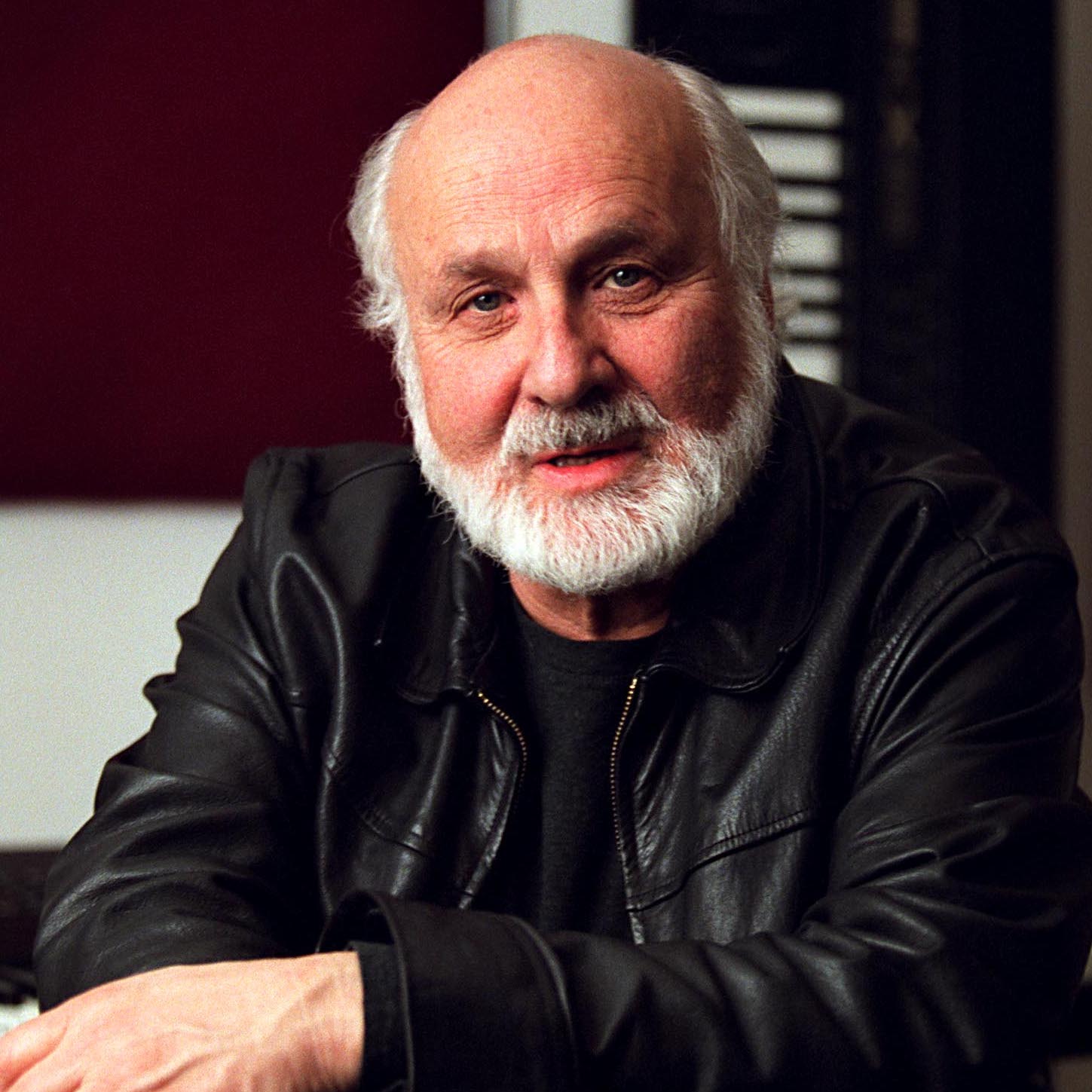
Morton Subotnick is an American composer of electronic music, best known for his 1967 composition Silver Apples of the Moon, the first electronic work commissioned by a record company, Nonesuch. He has worked extensively with interactive electronics and multi-media, co-founding the San Francisco Tape Music Center with Ramón Sender, and is an innovator in works involving instruments and other media, including interactive computer music systems. On the podcast, we talk about his youth growing up in Los Angeles, his co-founding of the San Francisco Tape Music Center, shifting from the clarinet to the electronic music studio to live electronic performance, and his upcoming performance of As I Live & Breathe at Other Minds 27 with video artist Lillevan.
Episode 17: Eivind Buene, Telescopic Listening
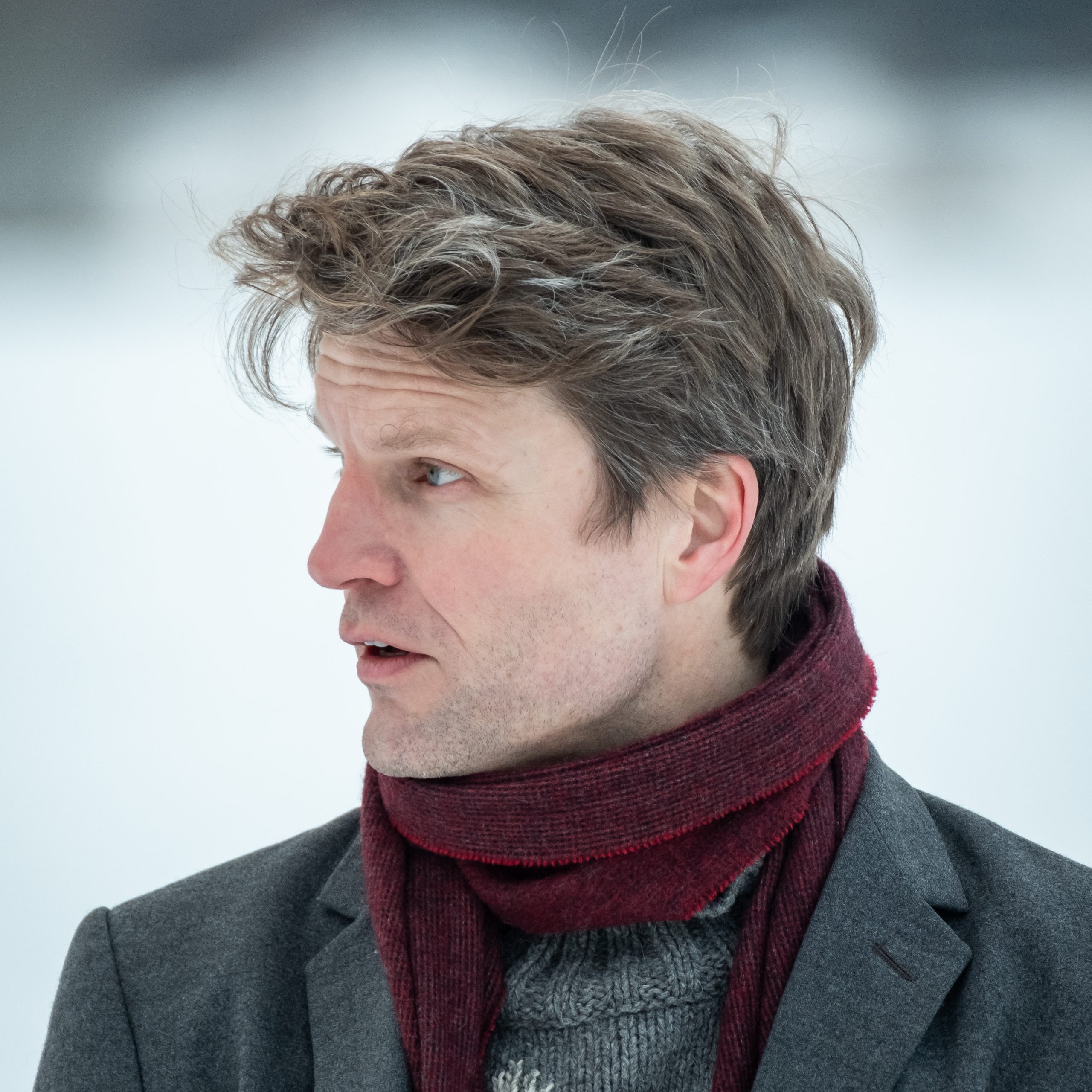
Eivind Buene is a Norwegian composer living and working in Oslo, where he is professor of composition at the Norwegian Academy of Music. Apart from writing music for soloists, ensembles, and orchestras, Buene also frequently engages in collaborations with improvising musicians, developing music in the cross-section between classical notation and improvisation. In addition to music, Buene writes critiques, essays, and novels, and is exploring hybrid forms between music and text in large-scale orchestral works. In the interview, we talk about his relationship with the music of the past and his idea of a telescopic mode of listening, hybrid forms in which text and music are equally important, and his new piece Chorales, which will be premiered at Other Minds Festival 27.
Photo by Lars Skaaning.
Episode 16: Mary Kouyoumdjian, Music as Documentary
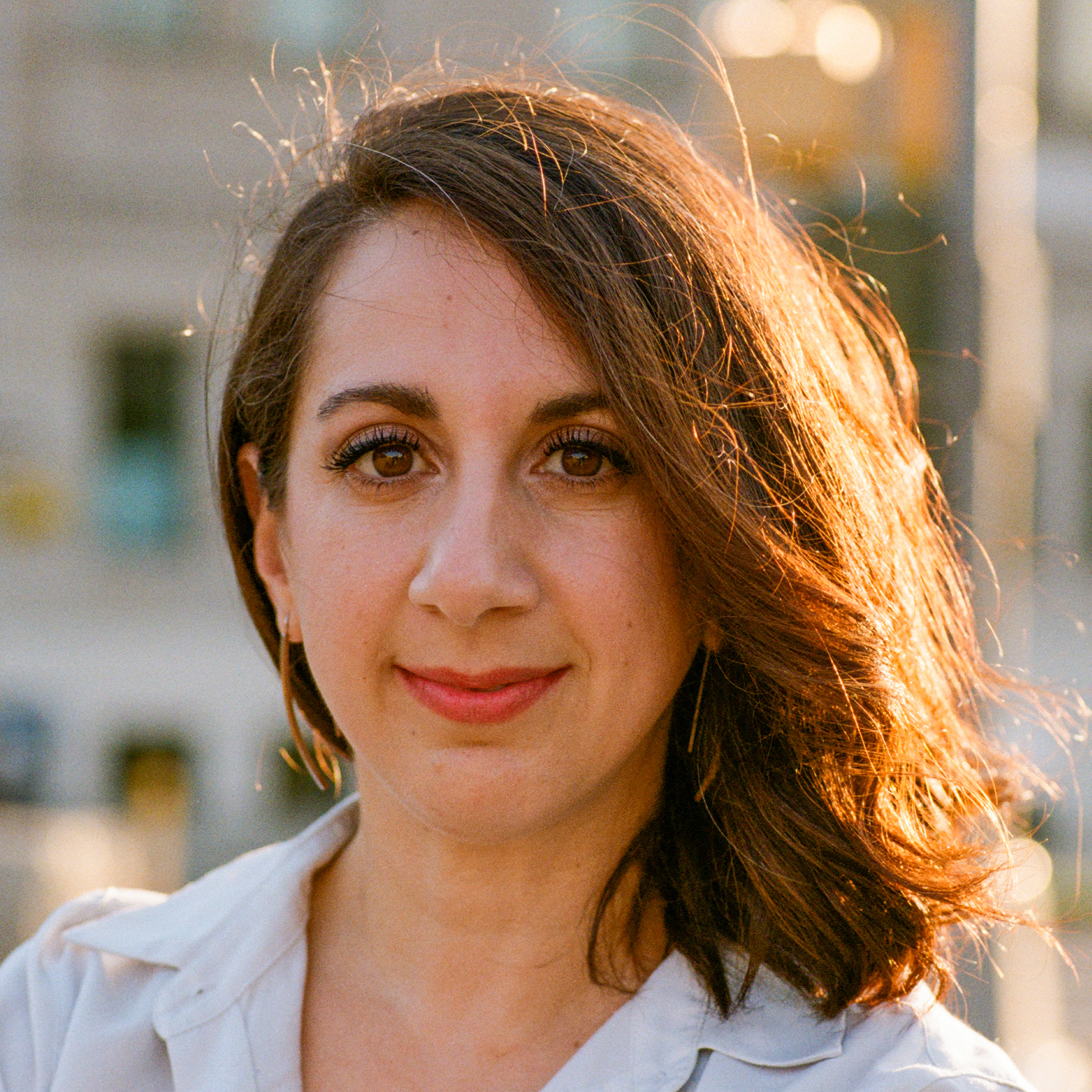
Mary Kouyoumdjian. Mary is a composer and documentarian with projects ranging from concert works to multimedia collaborations and film scores. Her music covers thematic material that often relates to her family’s experiences during the Lebanese Civil War and the Armenian Genocide, exploring themes of displacement and exile through the use of documentary materials. Topics include working with documentary materials, composing from a diaspora perspective, and Kouyoumdjian’s monumental work They Will Take My Island, a string octet about Armenian-American abstract expressionist painter Arshile Gorky with video by Canadian filmmaker Atom Egoyan.
Photo by Alik Barsoumian.
Episode 15: Artur Avanesov, International References and Microtonal Chorales
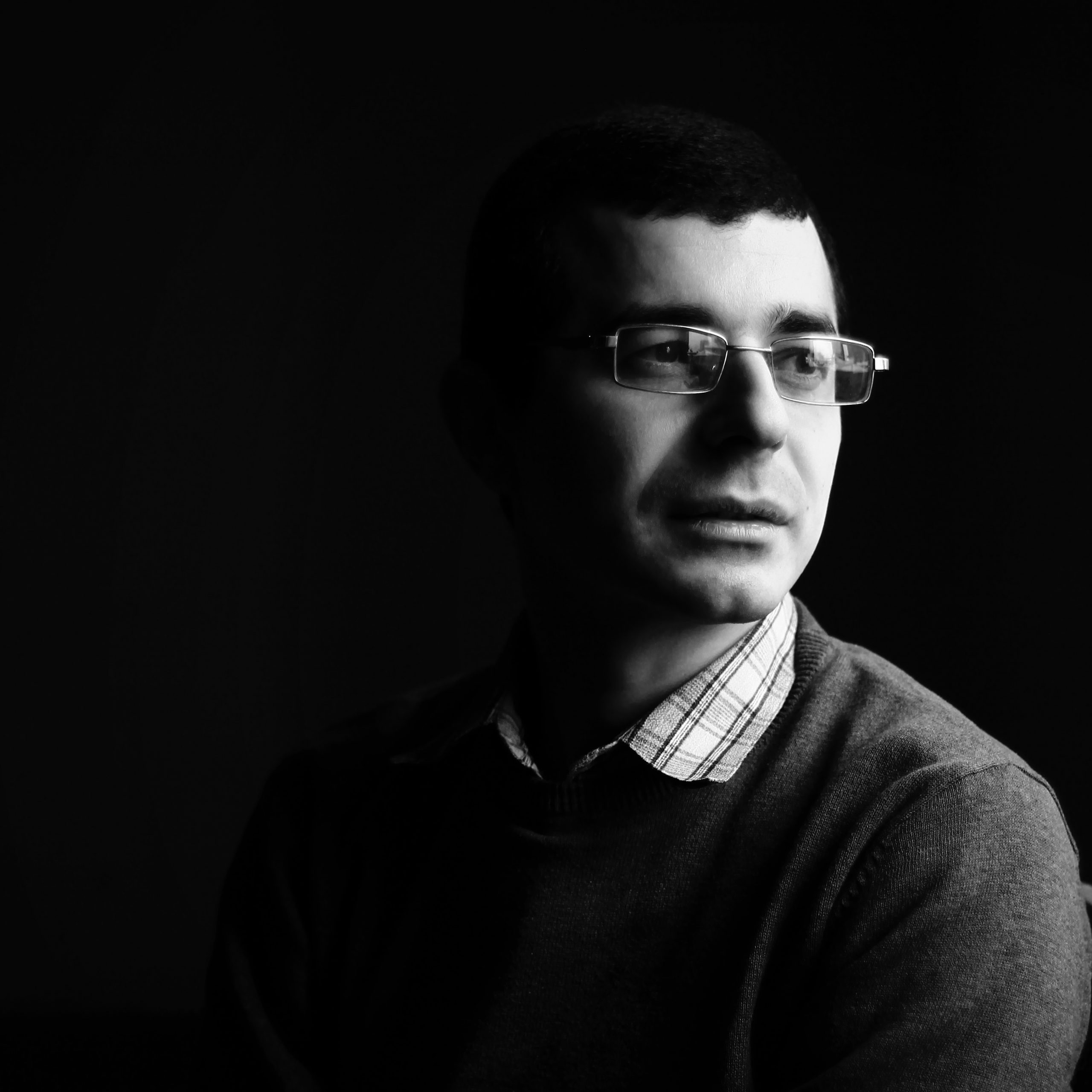
Born in 1980 in Moscow and educated at the Yerevan State Conservatory in the capital of Armenia, Artur Avanesov is among the leading Armenian composers of his generation. He is also an accomplished pianist and musicologist, having published multiple research papers and held seminars on Armenian music internationally. On the podcast, we discuss the many international references in his work, his piece Tezeta and its connection to Ethiopian popular music, and microtonality in his piano quintet Quasi harena maris.
Photo by Mane Hovhannisyan.
Episode 14: Carl Stone, Unlimited Free Samples
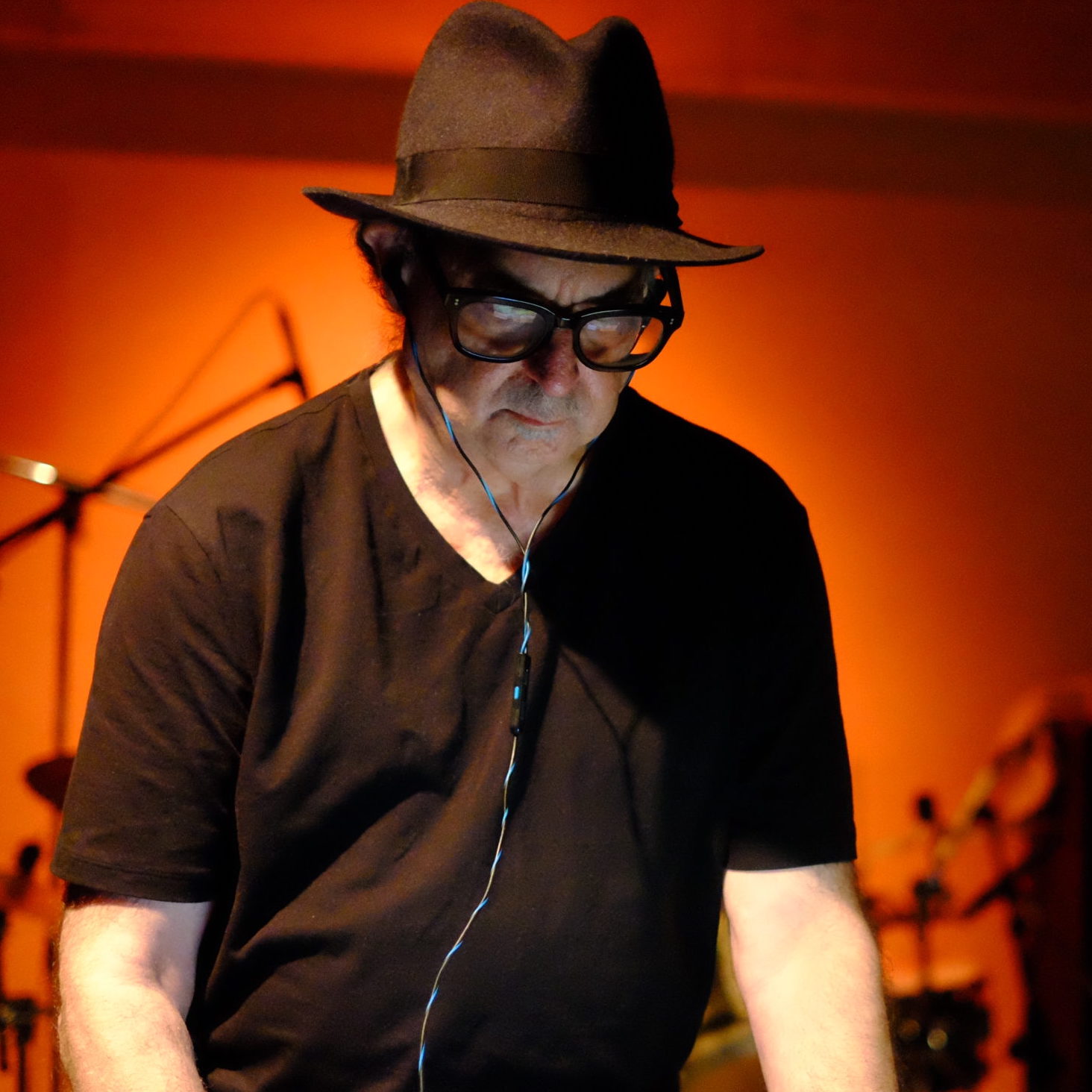
Carl Stone is one of the pioneers of live computer music, having used computers in live performance since 1986. Hailed by the Village Voice as “the king of sampling,” today he divides his time between Japan and Los Angeles between his busy international touring schedule. In the interview, we talk about the genesis of his sampling practice dating back to his time preserving LPs on cassette as a student at CalArts, issues of cultural meaning in sampling, and live computer music performance.
Photo by Akira Saito.
Episode 13: Bora Yoon and Joshue Ott, Multimedia and Kinetic Sculpture
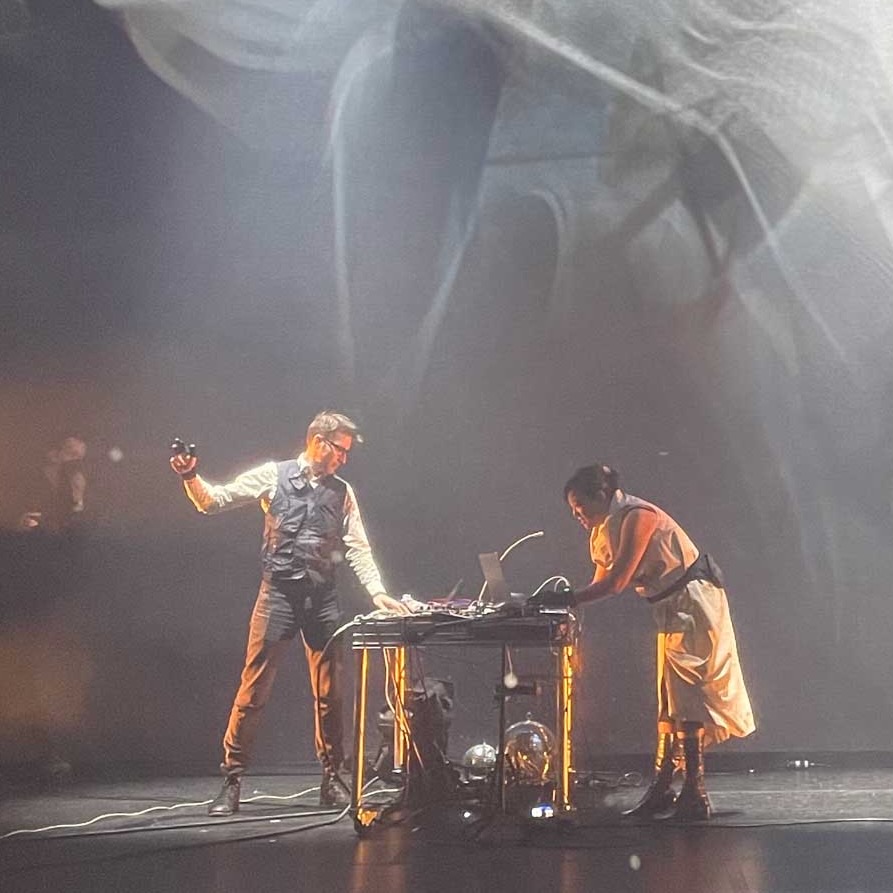
Bora Yoon is a Korean-American composer, vocalist, and sound artist who conjures audiovisual soundscapes using digital devices, voice, and instruments from a variety of cultures and historical centuries to formulate a storytelling through music, movement, and sound. Joshue Ott is a visualist and software designer who creates cinematic visual improvisations that are performed live and projected in large scale. On the podcast, we talk about their history of multimedia collaborations, their recent project at the Experimental Media and Performing Arts Center, and their upcoming performance at Other Minds Festival 27. We also discuss Bora’s newly commissioned work for Ensemble Decipher, featuring a large kinetic sculpture designed to imitate the string game cat’s cradle.
Photo by Allison Spann.
Episode 12: Linda Bouchard, New Notations
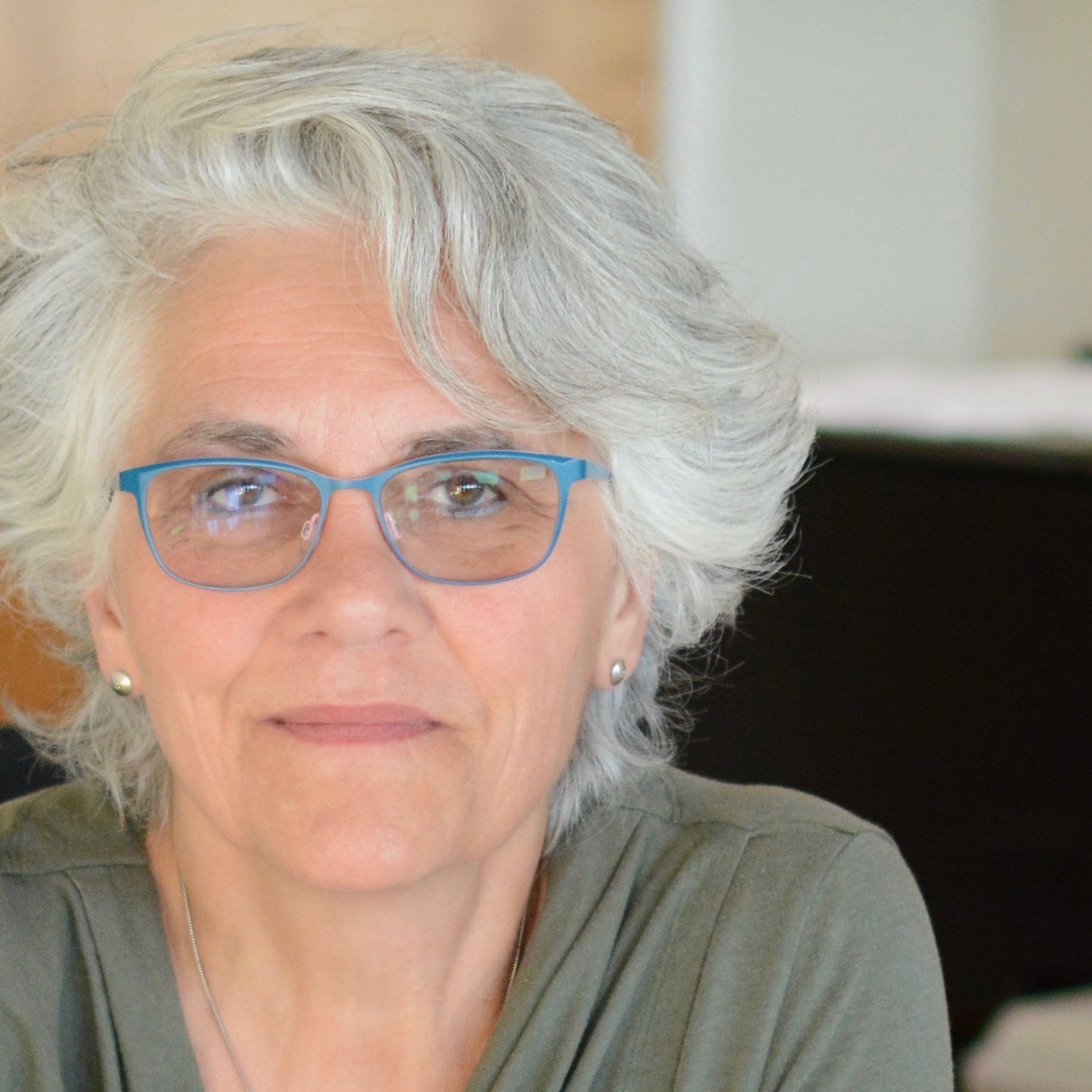
Linda Bouchard has been active for over 40 years as a composer, orchestrator, conductor, mentor, and researcher. Since 2001, she has been increasingly interested in how traditional artistic practices are influenced by the integration of new technologies, reflected in her development of the Ocular Score, “a visual musical score drawn using data generated from the analysis of complex sounds.” In the interview we talk about her Live Structures Project, designing new forms of musical notation, and her upcoming performance with Ensemble TriOcular + at the Other Minds Festival.
Photo by Faryn Borella.
Episode 11: A Neil Rolnick Sampler
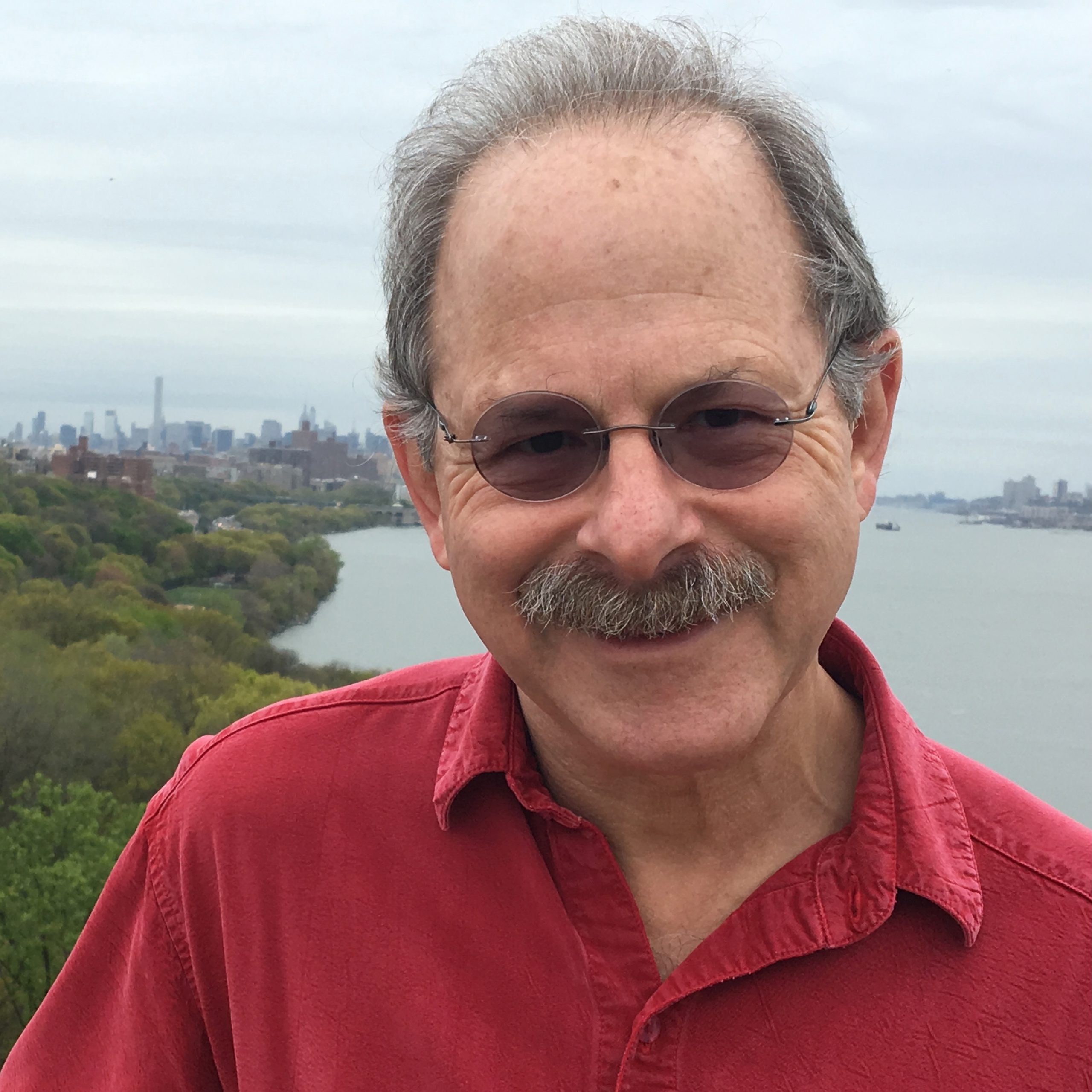
A pioneer in the use of computers in performance since the late 1970s, Neil Rolnick’s music has been performed around the world and appears on 22 commercial recordings. Born in Dallas in 1947, he earned a bachelor’s degree in literature from Harvard and a PhD in music composition in 1980 from UC Berkeley. He went on to develop the first integrated electronic arts graduate and undergraduate programs in the US, at Rensselaer Polytechnic Institute and, and has lived in New York City since 2002. On the podcast, we talk about his use of sampling from the 1970s to today, his involvement in the first-ever live computer-music performance at IRCAM in 1978, and his recent release of music for piano and electronics on Other Minds Records, Lockdown Fantasies.
Photo by Chloe Bland.
Episode 10: Ghost Ensemble, with Ben Richter and Sky Macklay
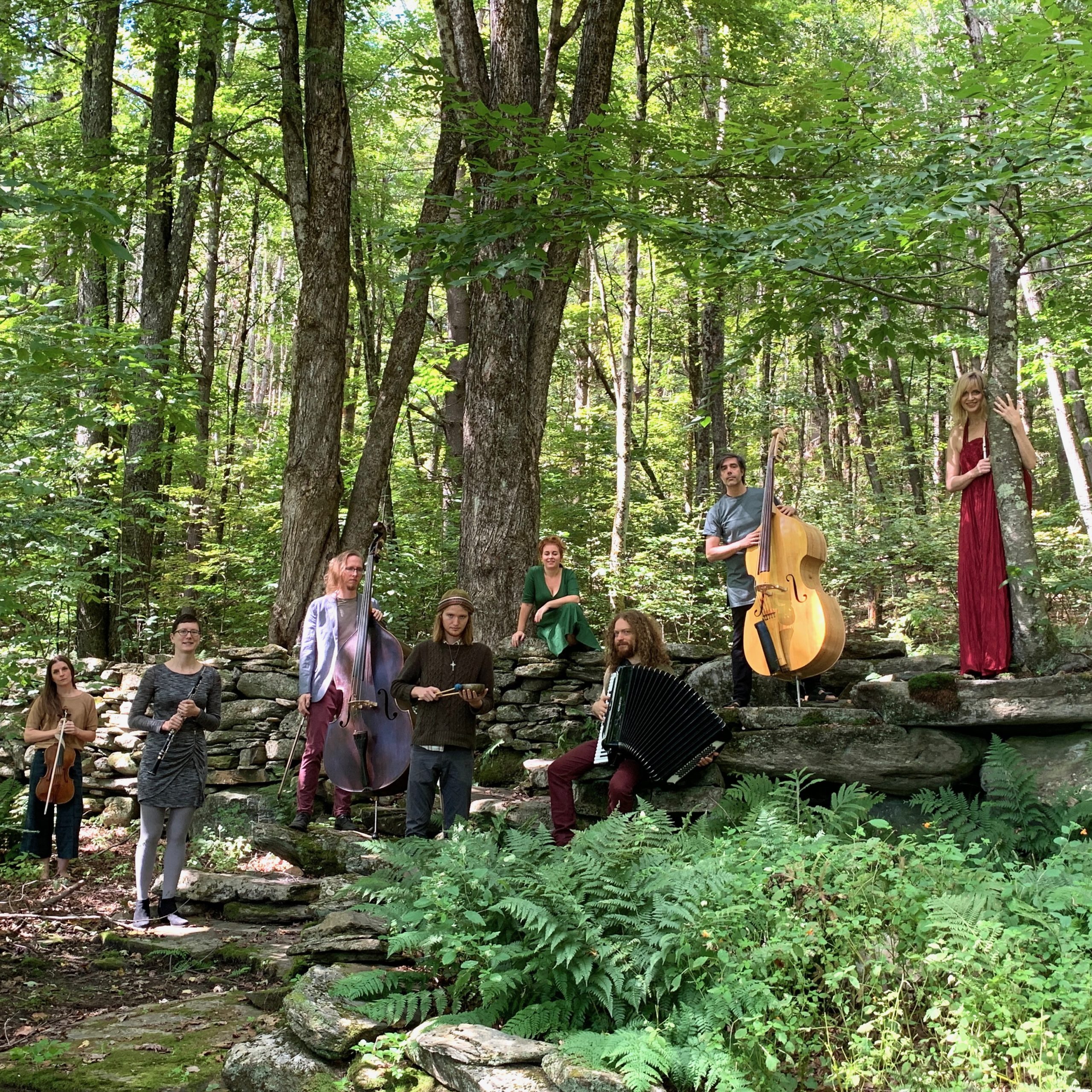
Ghost Ensemble fosters groundbreaking music that blurs borders of genre, style, and scene, expanding perceptual horizons through shared immersive experience. Their May 18th performance at St John the Evangelist Episcopal Church in San Francisco, California presents new works by composers Sky Macklay, Ben Richter, and Catherine Lamb. In this interview, Joseph Bohigian talks with Macklay and Richter, who are both members of the ensemble, about their works, Ghost Ensemble’s evolution since its founding in 2012, and the influence of Pauline Oliveros and Deep Listening. We also hear from Lamb about her new work for Ghost Ensemble, interius/exterius.
Photo by Sarah Krasnow.
Bonus: Charles Ives’s Concord Sonata with Kyle Gann and Marc-André Hamelin
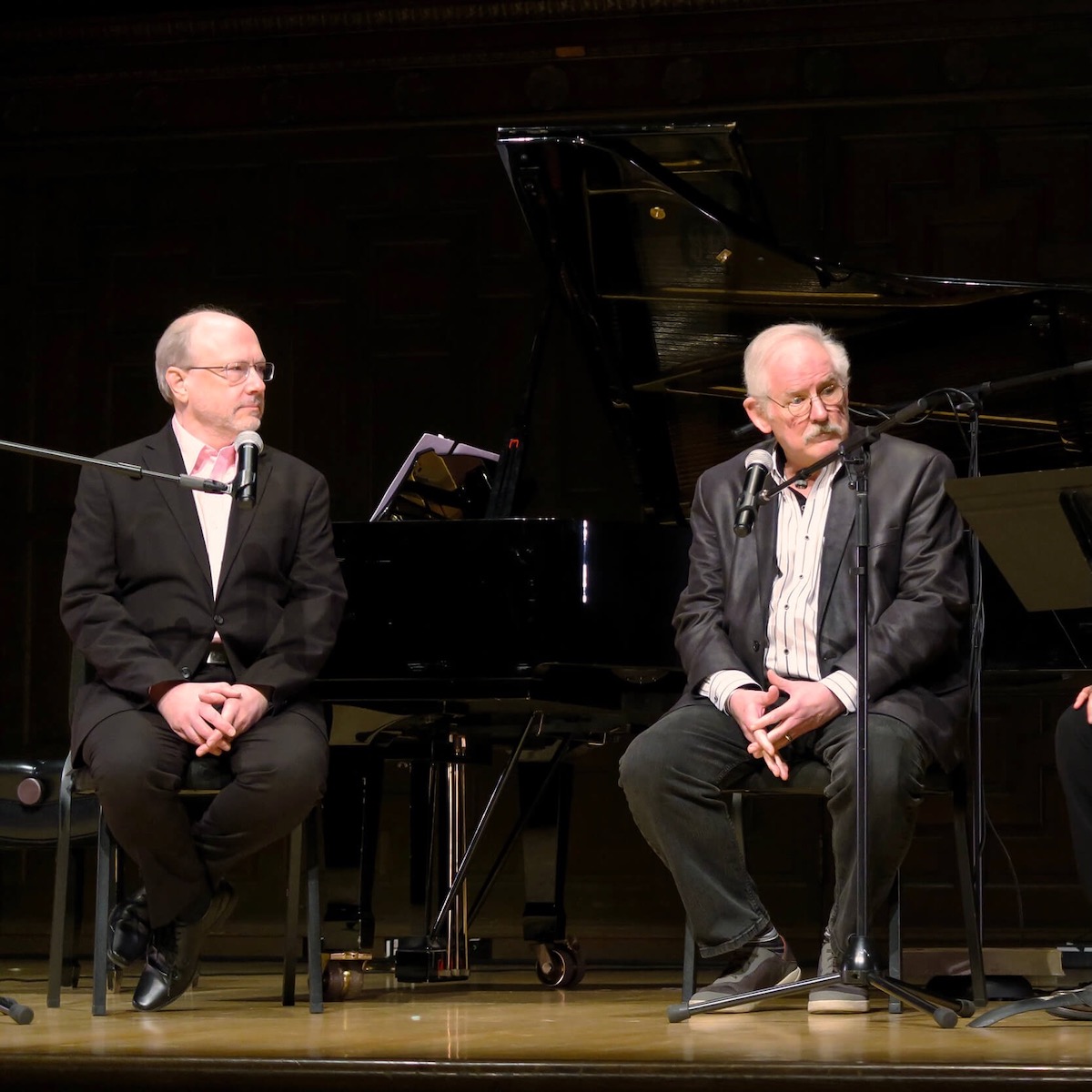
We have a special episode for our subscribers, a recording of the pre-concert talk from our Other Minds 30th Anniversary celebration with pianist Marc-André Hamelin and composer/author Kyle Gann. You’ll hear a panel discussion between Hamelin, Gann, and Other Minds Artistic and Executive Director Charles Amirkhanian about the subject of the night’s event, Charles Ives’s Concord Sonata, followed by a lecture by Kyle Gann about the piece drawing on his research for his 2017 book Charles Ives’s Concord: Essays after a Sonata. After the episode, head over to this page on our website, where you can watch a video of Marc-André Hamelin’s performance of the Concord Sonata at Mills College at Northeastern University in Oakland, California.
Photo by Raymond Holbert.
Episode 9: Lars Petter Hagen, Musical Memory
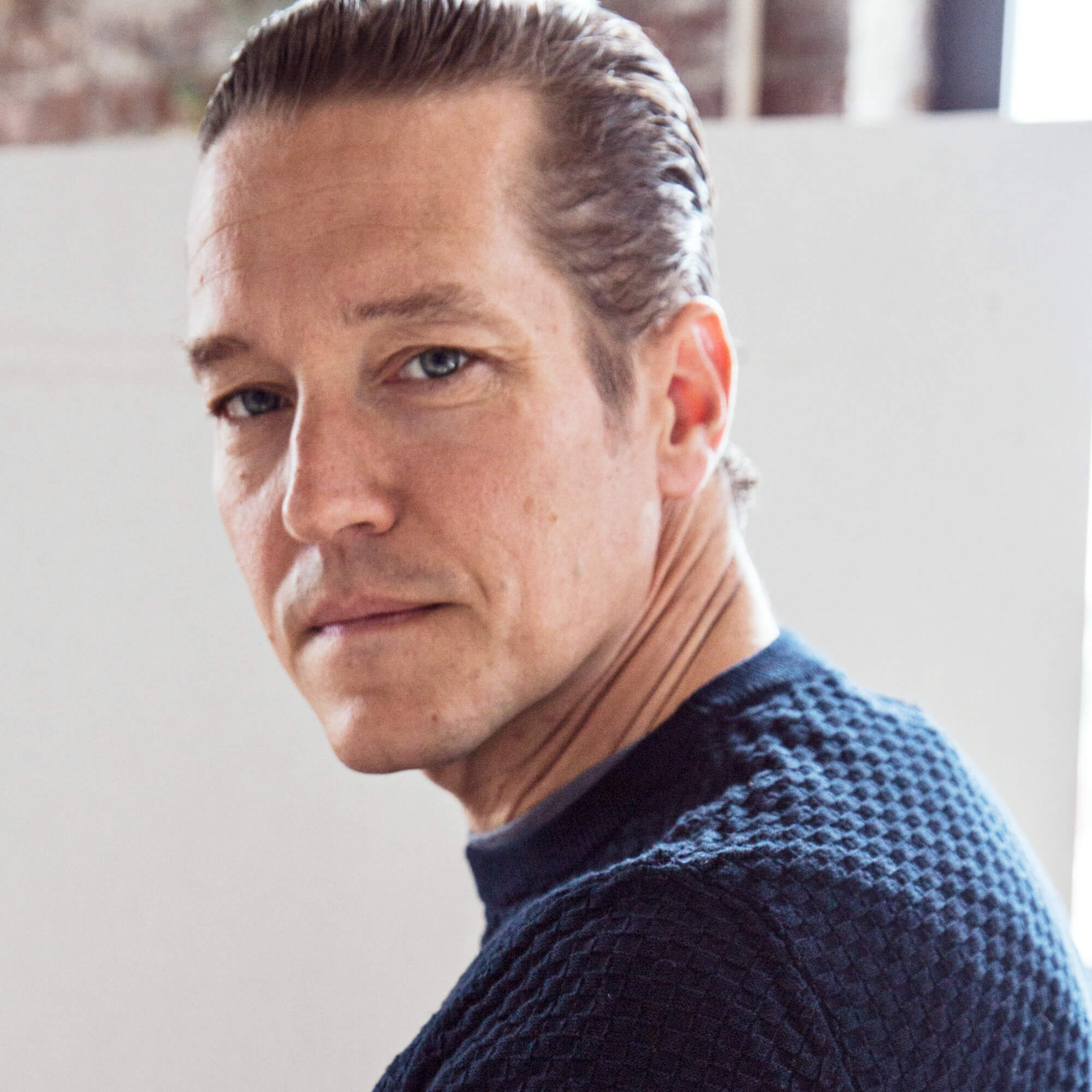
Lars Petter Hagen is a Norwegian composer whose music concerns memory and our relationship with the past. We talk about memory in his orchestra piece Gestern, inspired by Stefan Zweig’s 1934 memoir Die Welt von Gestern – Erinnerungen eines Europäers, his string quartet Transfiguration 4, and his Ingmar Bergman-inspired piece Seven Studies in Sadness. We also discuss his new role as Director of the Bergen International Festival.
Photo by Victoria Stevens.
Episode 8: Lauren Newton, Vocal Adventures in Free Improvisation
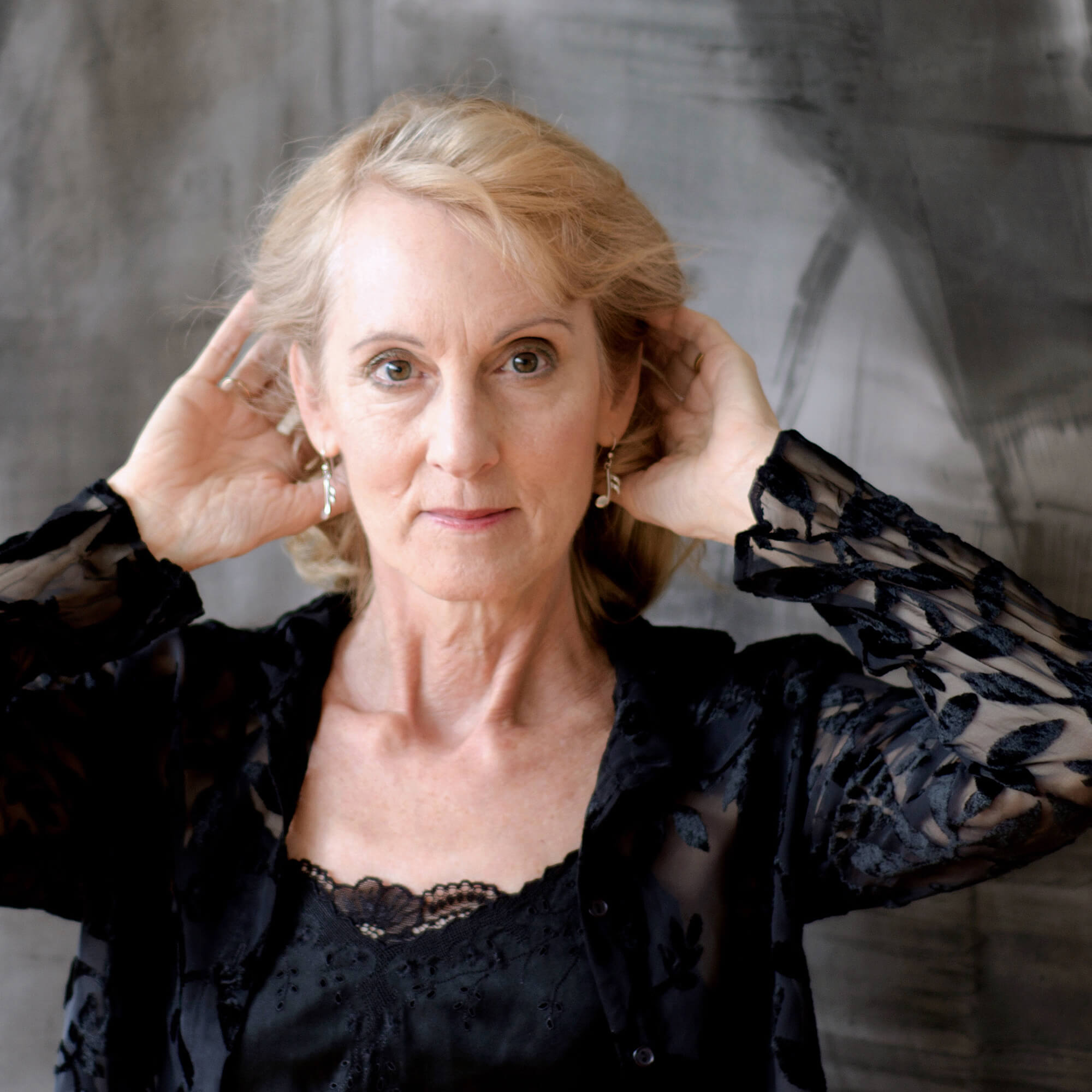
Lauren Newton has gained recognition in both the jazz and avant-garde music scenes through her vocal practice expanding her range of voice techniques without using words, focusing primarily on vocal expression. In the episode, we talk about her collaborations with French bassist Joëlle Léandre in anticipation of their performance together at OM 26, as well as recent collaborations with pianist Myra Melford. We also discuss her new book, VOCAL Adventures: Free Improvisation in Sound, Space, Spirit and Song.
Photo by Koho Mori.
Episode 7: Charles Amirkhanian, Ratchet Attach It Attach Ratchet It
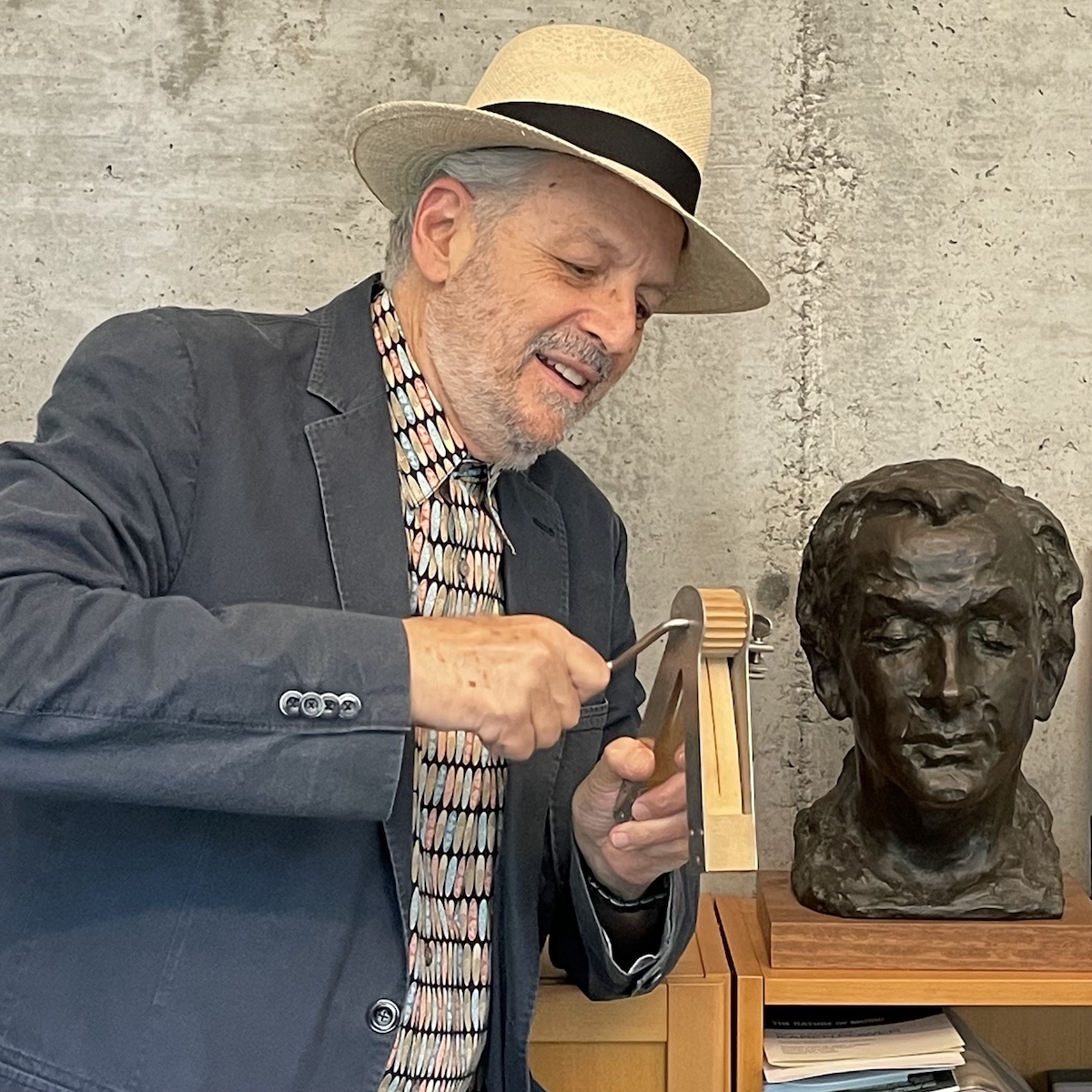
A very special guest! Other Minds Executive and Artistic Director Charles Amirkhanian joins the podcast to talk about his piece Ratchet Attach It for ten percussionists. We cover Amirkhanian’s early years in Fresno as a budding percussionist influenced by Cage, Harrison, Hovhaness, and Cowell, his time in the Fresno State marching band, his lifelong fascination with the ratchet, and his interest in piano rolls. Stick around for the Nick Cannon reference!
Photo by Joseph Bohigian.
Episode 6: Theresa Wong, Timbral Merging
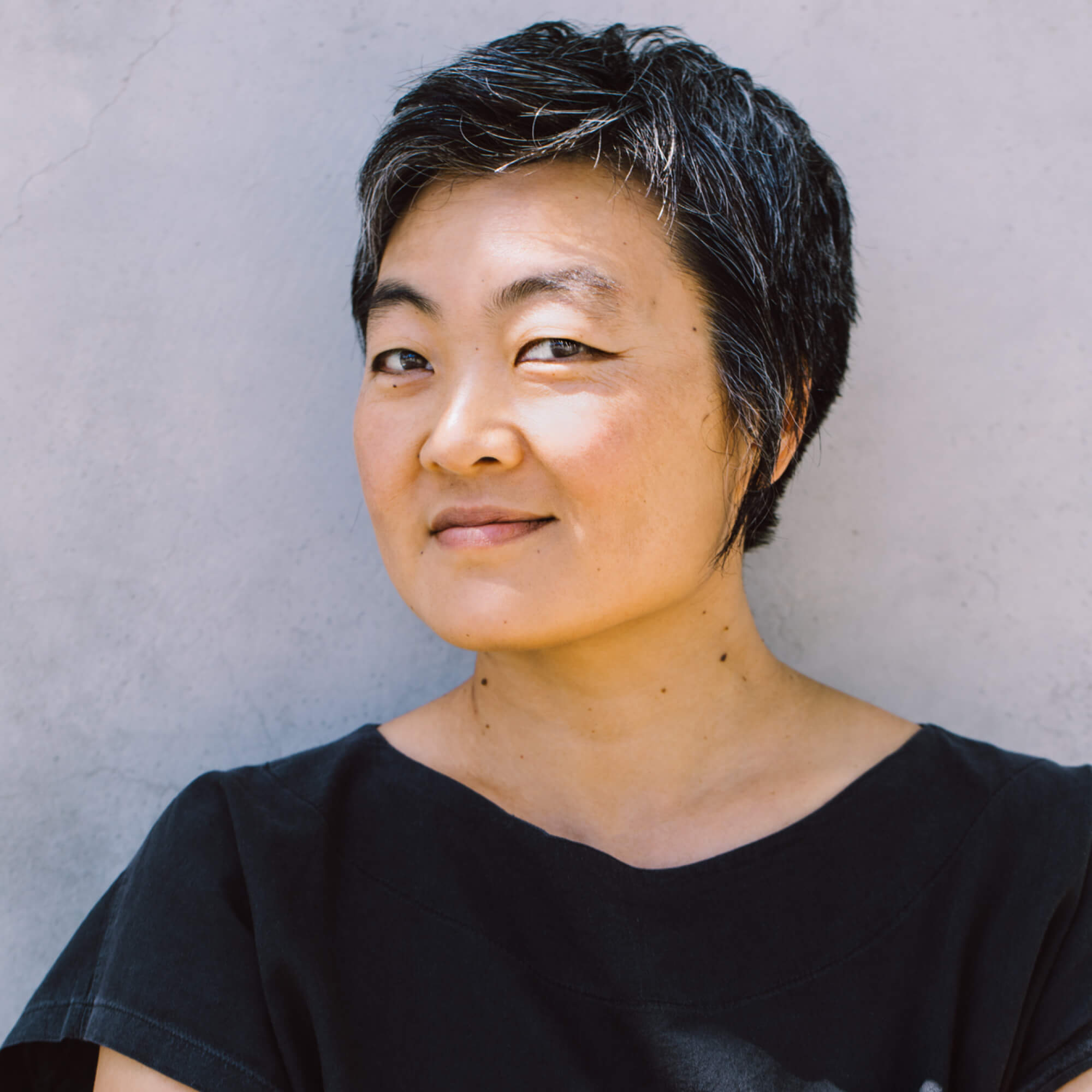
Theresa Wong is a composer, cellist, and vocalist active at the intersection of improvisation, composition, and the synergy of multiple disciplines. On the podcast, we discuss the importance of physicality in her performance and composition. We also talk about her use of just intonation in her string and vocal writing. Finally, Theresa talks about her new album for cello and voice, Practicing Sands, with focuses on microphone usage, merging the timbres of her cello and voice, and the imprint of genetic memory on her music.
Photo by Andria Lo.
Episode 5: Hanna Hartman, You’re Hearing a Different World Than I Do
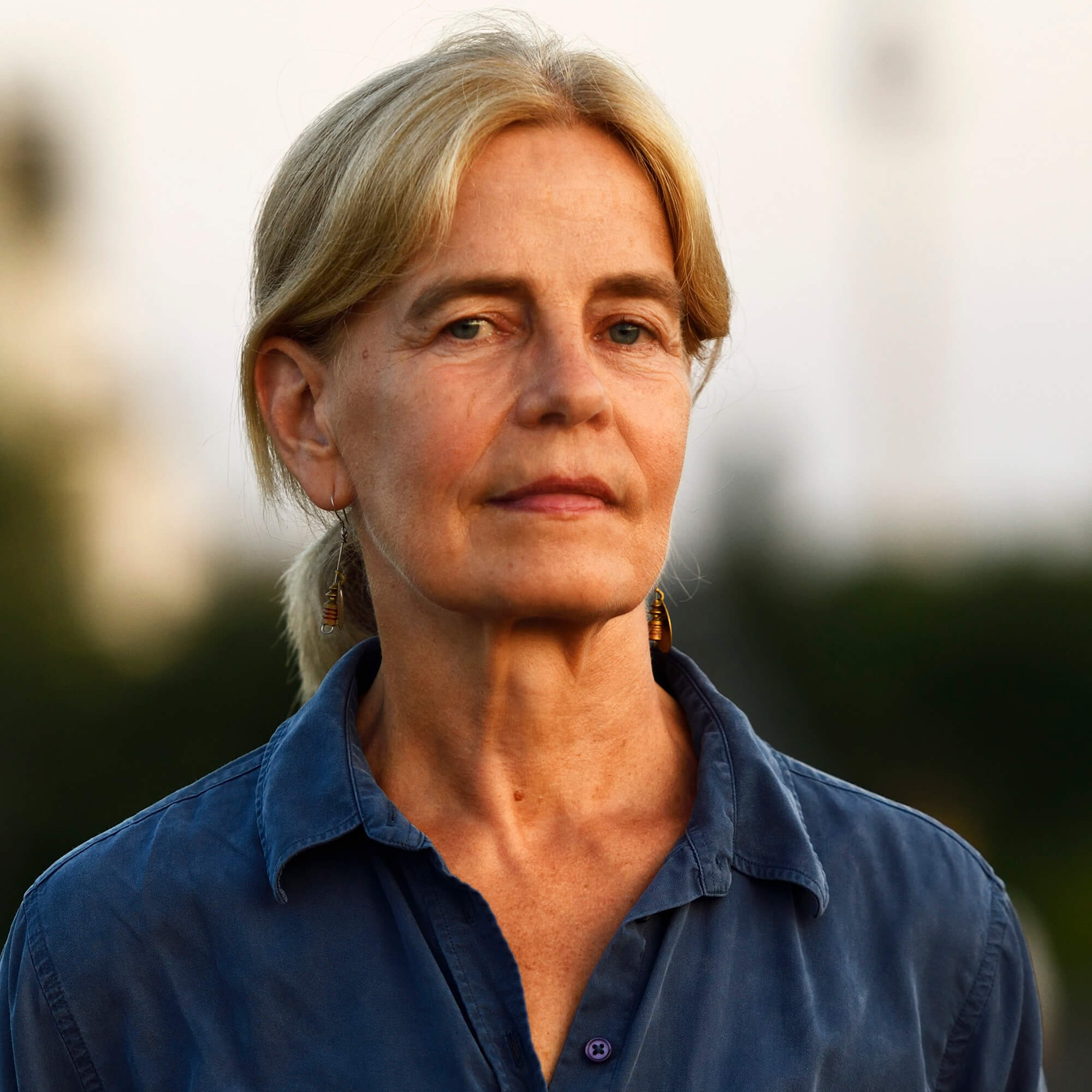
Hanna Hartman is a Swedish soundartist, composer, and performer based in Berlin. Hartman creates compositions that are exclusively made up from authentic sounds taken out of their original context which she has recorded around the world. Topics covered include her experiences at the Electronic Music Studio in Stockholm and in radio, including her work CRUSH, commissioned by Sveriges Radio. We also discuss her live performance practice featuring close amplification of objects and high powered magnets.
Photo by Göran Gnaudschun.
Episode 4: Kui Dong, Music and Belonging
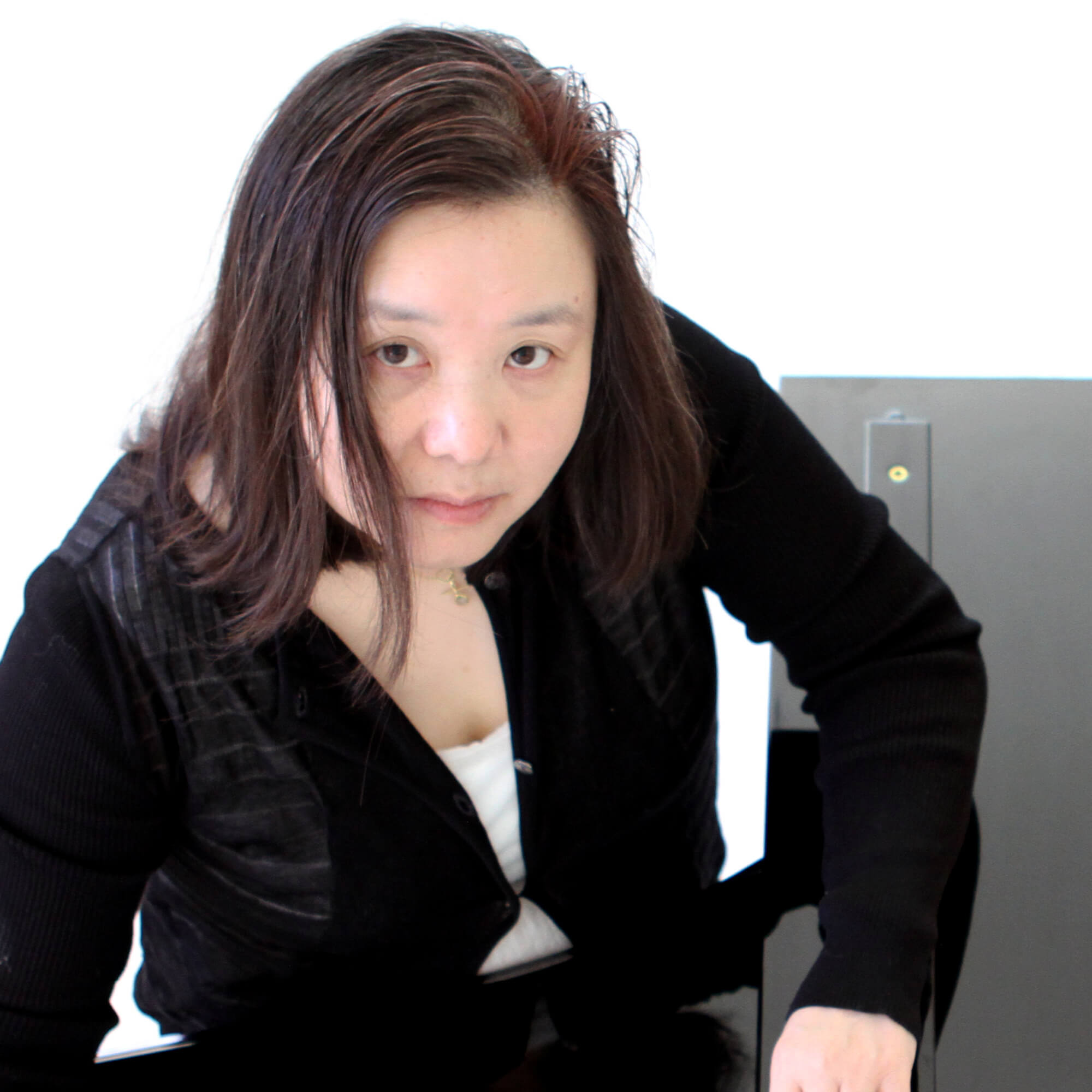
Kui Dong is a composer whose work spans diverse genres including ballet, orchestra, chamber works, chorus, electro-acoustic music, film scores, multi-media art, and improvisation. On the podcast, we discuss her opera-in-progress Hutong and the presence of diaspora identity in her music. We also talk about her piece for four percussionists on two moving marimbas Scattered Ladder, which will be performed at OM 26.
Photo by Duo Huang.
Episode 3: Raven Chacon, Music and Place
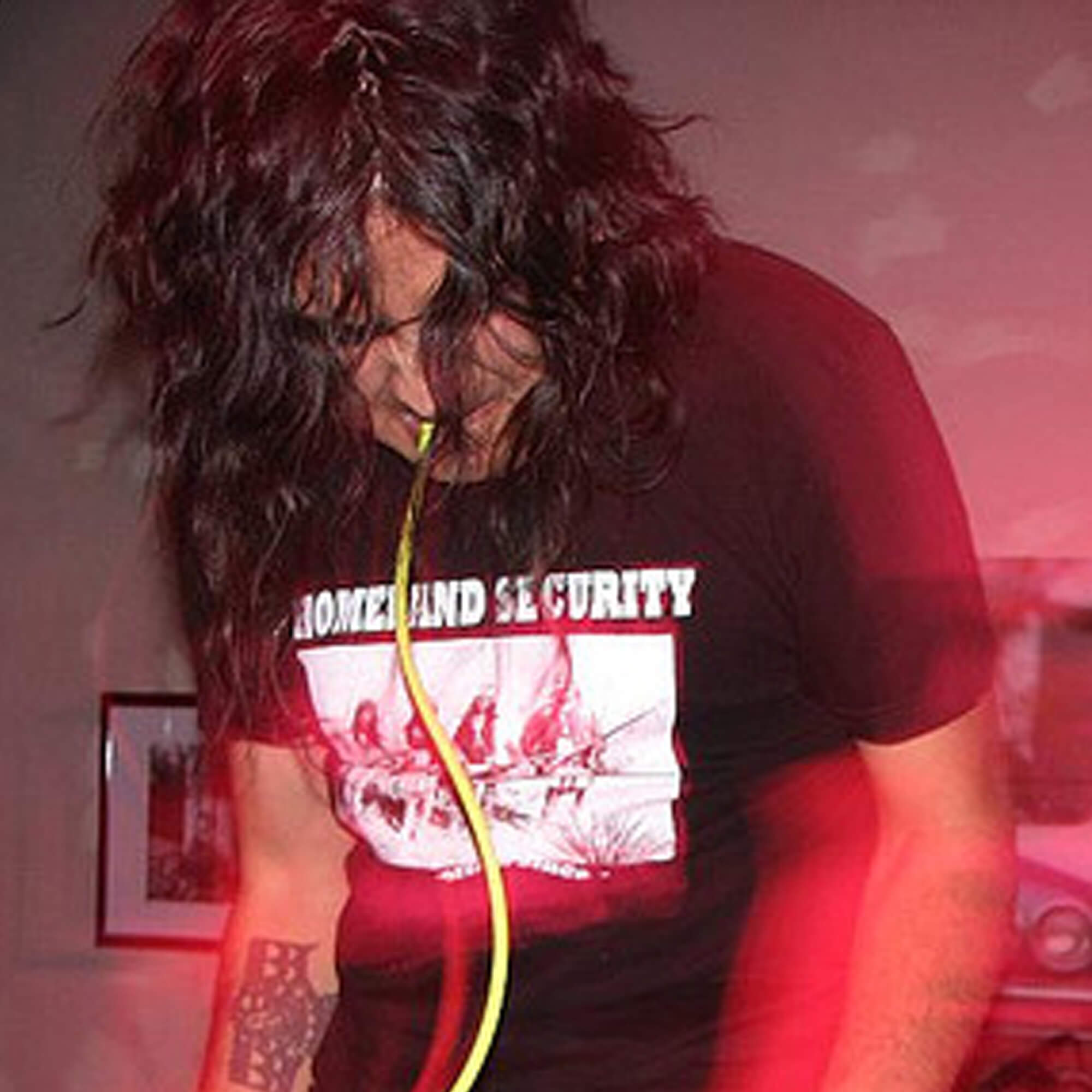
Raven Chacon is a composer, performer, and installation artist awarded the 2022 Pulitzer Prize for Music. We talk about the importance of place and location in his music, which is often written to be performed outdoors. We also discuss his interest in graphic notation and the expectations of representing one’s culture in art. Finally, Chacon talks about his recent collaboration with experimental composer, sonic architect, performance artist, and visual media artist Guillermo Galindo, which will be featured at Other Minds Festival 26.
Photo by Jamie Drummond.
Episode 2: Mari Kimura, Is a dog toy an instrument?
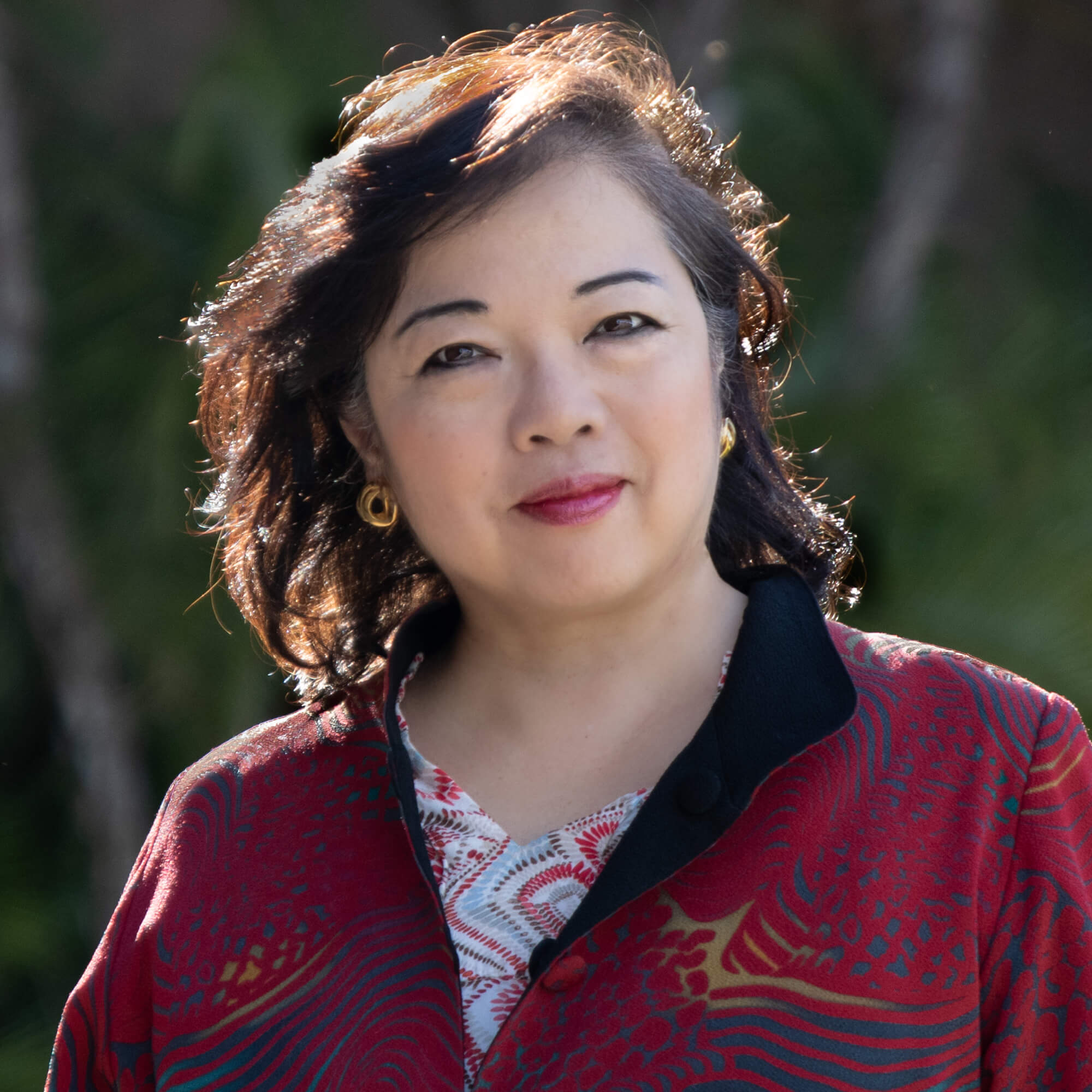
Mari Kimura is a violinist, composer, and leading figure in interactive computer music. She developed a motion sensor system called MUGIC® which tracks her hand movements as she plays her violin. We discuss her own performances with the MUGIC® sensor in her piece Rossby Waving. We also talk about her MUGIC® collaborations with Ensemble Decipher and percussionist Aiyun Huang, as well as the sensor’s life in other composers’ and artists’ works.
Photo by Brandon Rolle.
Episode 1: Dominic Murcott, Hells Bells!
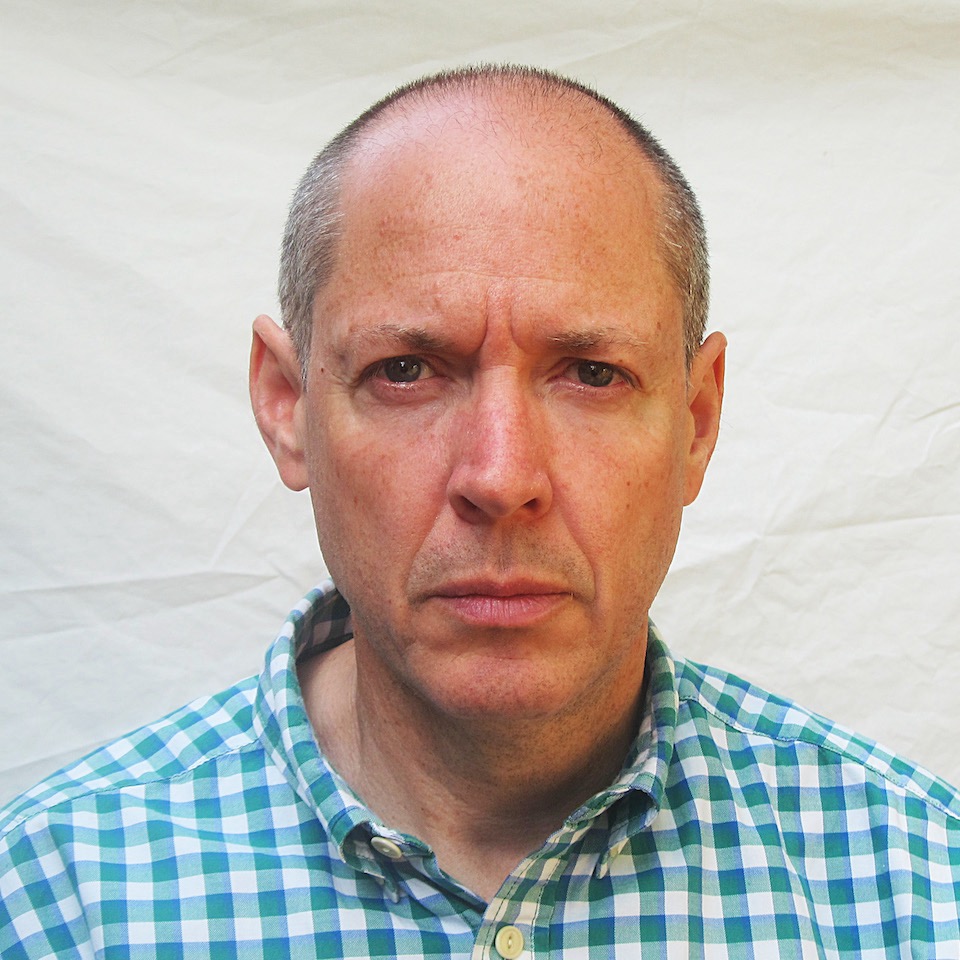
Dominic Murcott is a composer, percussionist, curator, and educator based in London. His background as a percussionist and performing in bands has had a deep influence on both his creative work and his research. We talk about his longtime interest in the music of Conlon Nancarrow and his solo percussion arrangement of Nancarrow’s Piece for Tape. We also discuss his monumental percussion work The Harmonic Canon, written for a half-ton custom-made bell designed by sculptor Marcus Vergette using Finite Element Analysis, a type of structural analysis that determines the vibration patterns of the bell.
Photo courtesy of Dominic Murcott.
Trailer
The Other Minds Podcast features interviews with some of today’s leading composers and performers of new and experimental music. The podcast is produced by Other Minds in San Francisco, which hosts concerts, a record label, a weekly radio program, an archive, and a yearly festival of contemporary music. Season 1 of the podcast features interviews hosted by Joseph Bohigian with the composers featured on our 26th Festival, which will be held on October 13-15, 2022 at the Great Star Theater in San Francisco, California.